

Sustainable home décor isn’t just a trend—it’s a meaningful shift toward creating beautiful spaces without harming the environment. More people are choosing materials that last longer, feel natural, and bring warmth into their homes. The best part? Eco-friendly décor doesn’t mean sacrificing style. With the right materials, your home can look gorgeous and support a healthier planet.
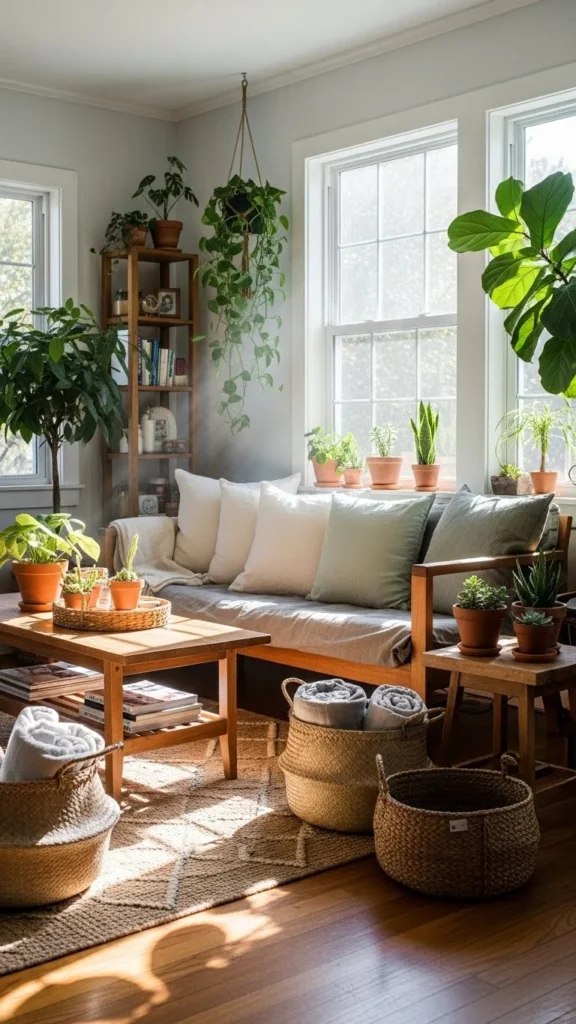
If you’re ready to style your home beautifully and responsibly, here’s a clear, beginner-friendly guide to choosing sustainable décor materials that make a real difference.
Choose Natural, Renewable Materials
Natural materials bring warmth and texture into your home while reducing your environmental footprint. They’re biodegradable, durable, and often produced with fewer chemicals.
Great options to look for:
- Solid wood from certified sustainable forests
- Bamboo
- Rattan
- Cork
- Linen and cotton
- Clay and ceramic
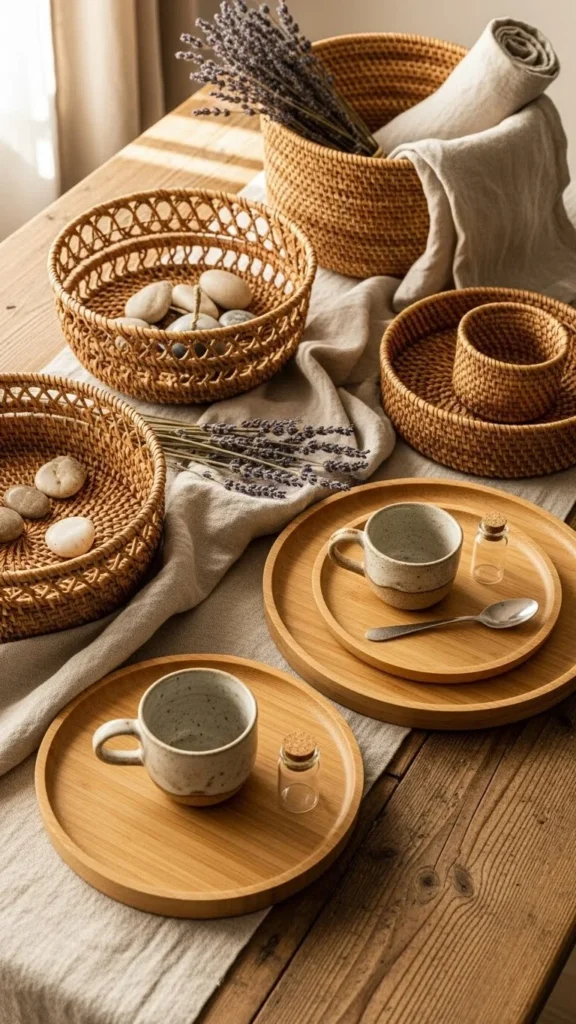
When shopping, look for labels like FSC-certified wood or OEKO-TEX-certified fabrics. These certifications help you identify products made responsibly. Natural materials also age beautifully, meaning you keep them longer and throw away less.
Look for Recycled or Upcycled Pieces
Recycled décor gives new life to materials that would otherwise end up in landfills. Upcycling also allows you to add personality through creative, one-of-a-kind pieces.
Try incorporating:
- Recycled glass vases
- Rugs made from recycled fibers
- Upcycled wood shelves
- Vintage mirrors or frames
- Refinished furniture
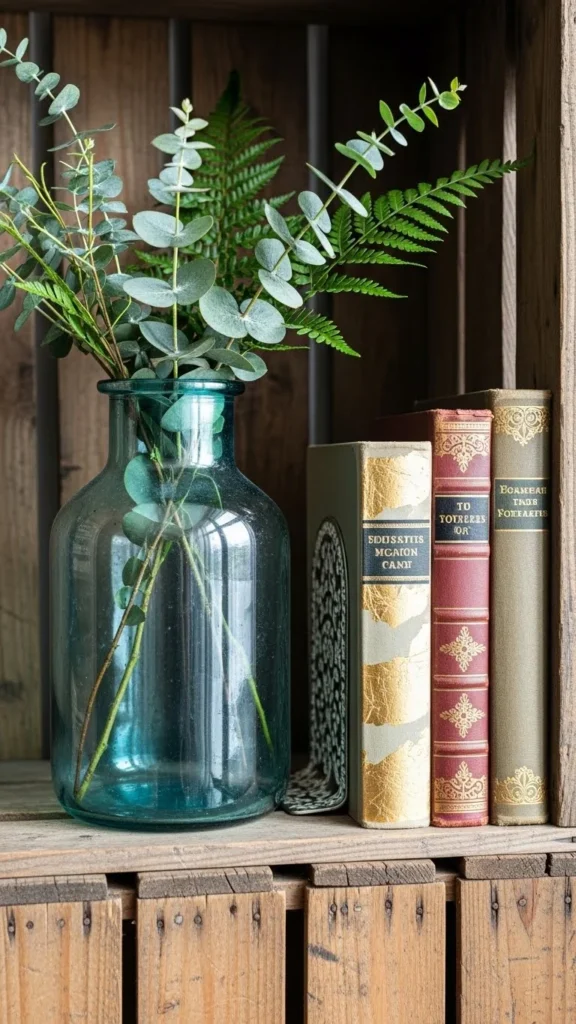
These elements instantly add character to a room and support circular design—keeping materials in use longer.
Support Local and Handcrafted Décor
Buying from local artisans reduces transportation impact and helps small communities thrive. Plus, handmade décor often has higher craftsmanship and charming imperfections that feel inviting and real.
Reasons to choose handmade:
- Lower carbon footprint
- Unique designs
- Higher quality
- More meaningful spaces
Try attending markets, browsing local craft shops, or finding ethically sourced handmade décor online. Even a small handcrafted ceramic bowl can elevate a room.
Avoid Toxic Materials and Finishes
Many mass-produced décor items contain chemicals that contribute to indoor air pollution. Choosing low-toxin or toxin-free materials supports better health at home.
Look for:
- Low-VOC paints
- Natural stains and oils
- Untreated fabrics
- Solid wood instead of particleboard
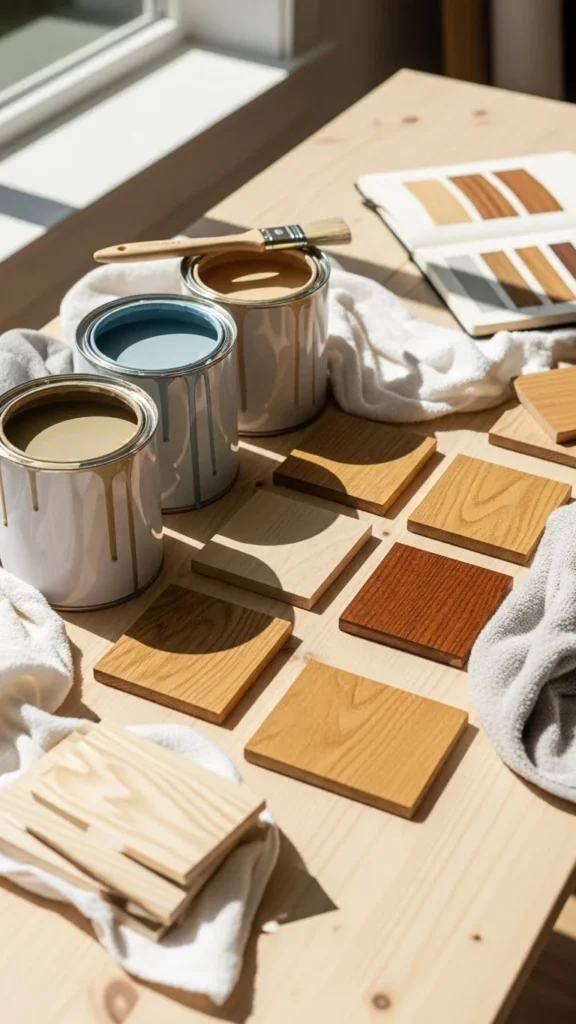
If a product has a strong chemical smell, it’s often a sign of high VOC content. Always ventilate new items before placing them in your space.
Choose Long-Lasting Pieces Instead of Fast Décor
Sustainability isn’t only about materials—it’s also about longevity. Choosing décor that you’ll love for years is one of the simplest ways to reduce waste.
Tips for making long-lasting choices:
- Prioritize timeless shapes and neutral palettes
- Avoid trend-heavy pieces that age quickly
- Choose durable fabrics
- Invest in sturdy construction
- Look for items you can refinish instead of replace
Long-lasting décor may cost more upfront, but it saves money in the long run and reduces environmental impact.
Stick to Materials with Low Environmental Impact
Some materials are naturally less harmful to the planet because they grow quickly or require less energy to produce.
Examples:
- Bamboo (fast-growing and strong)
- Cork (harvested without cutting the tree)
- Hemp (requires little water and pesticides)
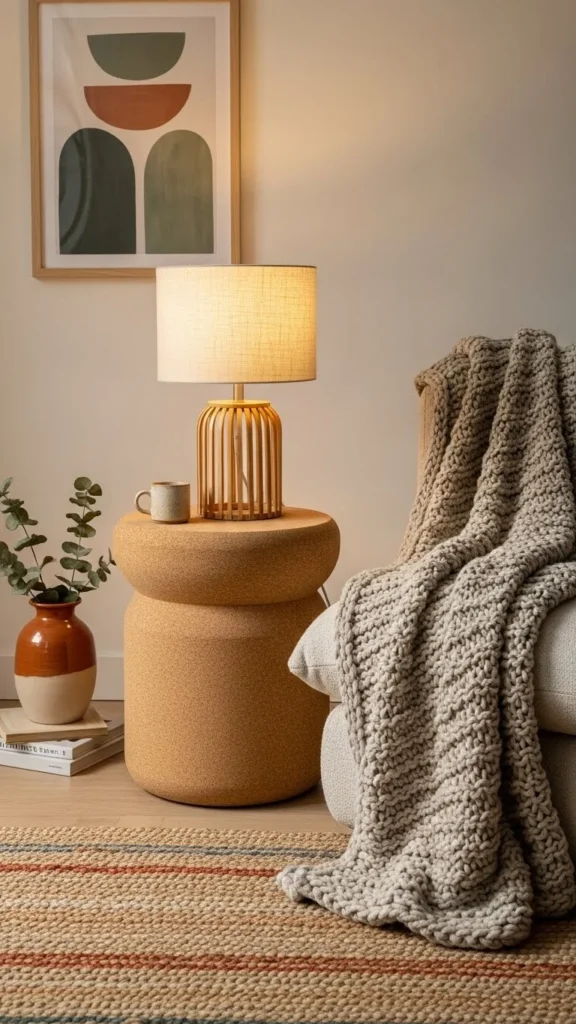
Mixing these pieces into your home creates an earthy atmosphere while supporting sustainable production practices.
Refresh with Secondhand Finds
Thrifting is one of the easiest and most affordable ways to decorate responsibly. Secondhand pieces often come with history, charm, and durability that new décor doesn’t always match.
Shop for:
- Lamps
- Tables
- Frames
- Baskets
- Cabinets
- Chairs
You can also refresh items with simple DIY touches—paint, stain, new hardware, or fresh fabric can completely transform a piece.
Bring Nature Indoors with Plants
Plants naturally soften harsh corners, clear the air, and add life to any room. They’re also one of the most sustainable décor elements you can bring home.
Choose easy-care plants like:
- Pothos
- Snake plants
- Peace lilies
- Spider plants
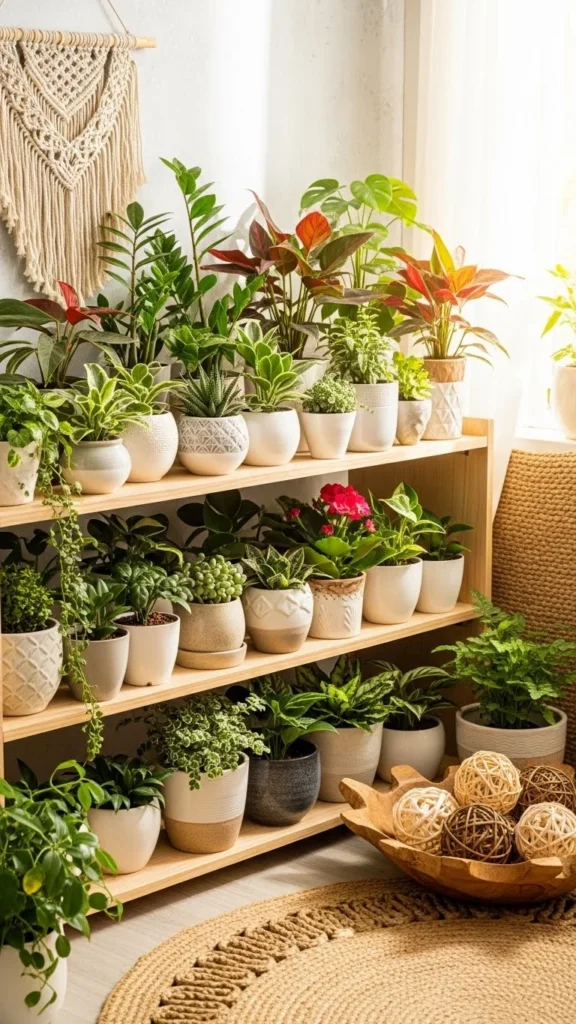
Use terracotta pots, recycled planters, or thrifted containers to keep the eco-friendly theme consistent.
Final Takeaway
Sustainable décor doesn’t have to be complicated—just thoughtful. By choosing natural materials, shopping handmade or secondhand, avoiding toxins, and selecting long-lasting designs, you create a home that reflects both your personality and your values. Eco-friendly choices make your space healthier, more beautiful, and more meaningful.
Save this guide and let it inspire your next décor project!
Leave a Reply