

Texture is one of the most powerful tools in home décor. It adds warmth, depth, and personality—turning flat, plain rooms into spaces that feel rich and inviting. The secret to layered texture isn’t buying expensive furniture or trendy pieces. It’s about mixing materials, fabrics, shapes, and finishes to create a multi-dimensional look that feels effortless and timeless.
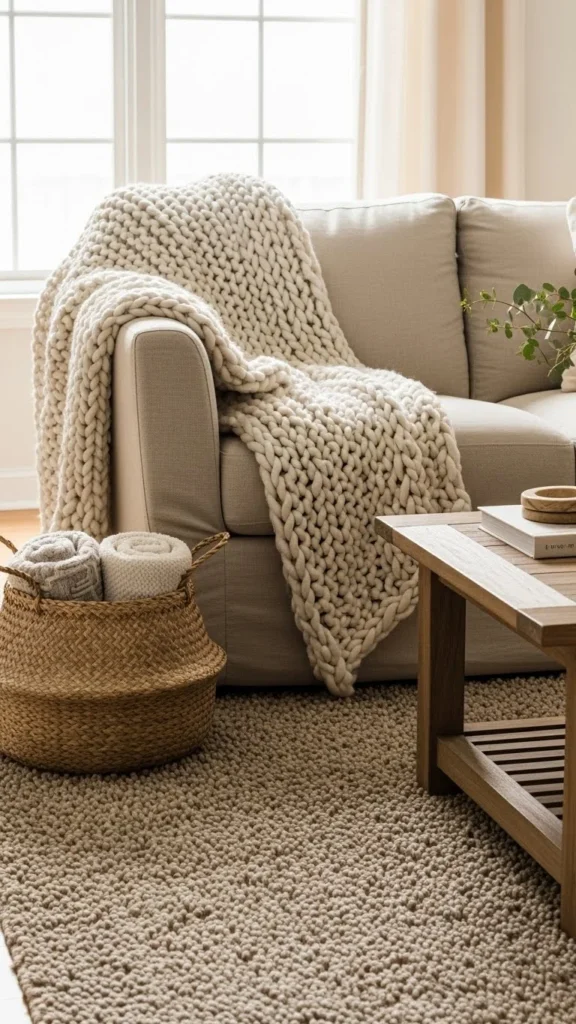
If you want your home to feel more luxurious without major renovations, layered texture is the design shortcut you’ll love.
Start with a Textured Foundation
Your foundation layer sets the tone for all additional textures. Think of this as the “base coat” of your décor.
Great foundation layers include:
- Rugs
- Wall treatments
- Large furniture pieces
- Curtains
Choose materials with subtle natural texture such as linen, jute, wool, or soft boucle. These create an inviting canvas.
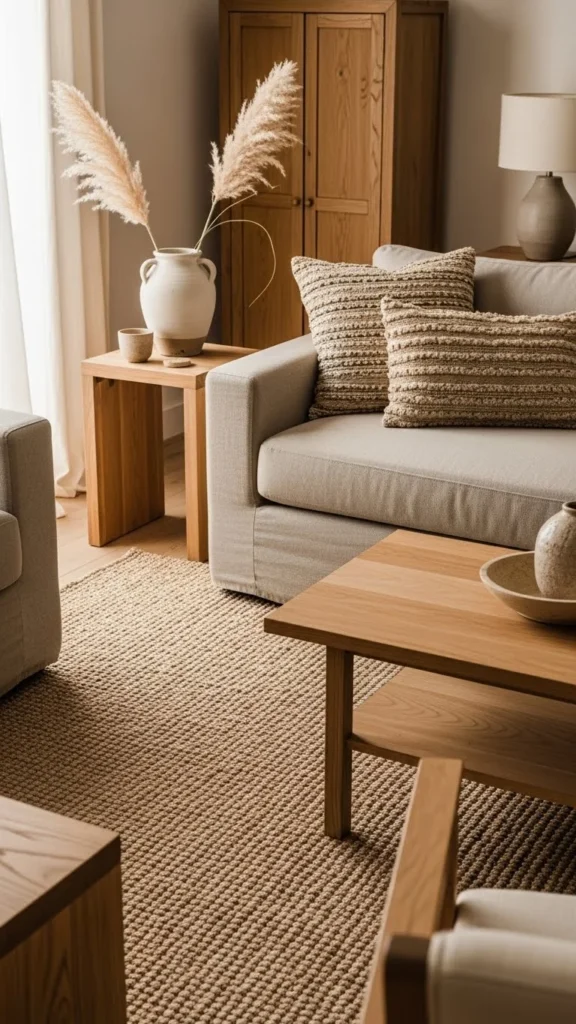
Starting with a textured base helps prevent the room from feeling flat even before adding decorative layers.
Mix Soft and Hard Textures
Balanced texture comes from contrast. Combine materials that play off one another for a richer feel.
Soft textures:
- Velvet
- Chenille
- Cotton
- Faux fur
- Knit blankets
Hard textures:
- Wood
- Metal
- Glass
- Stone
- Ceramic
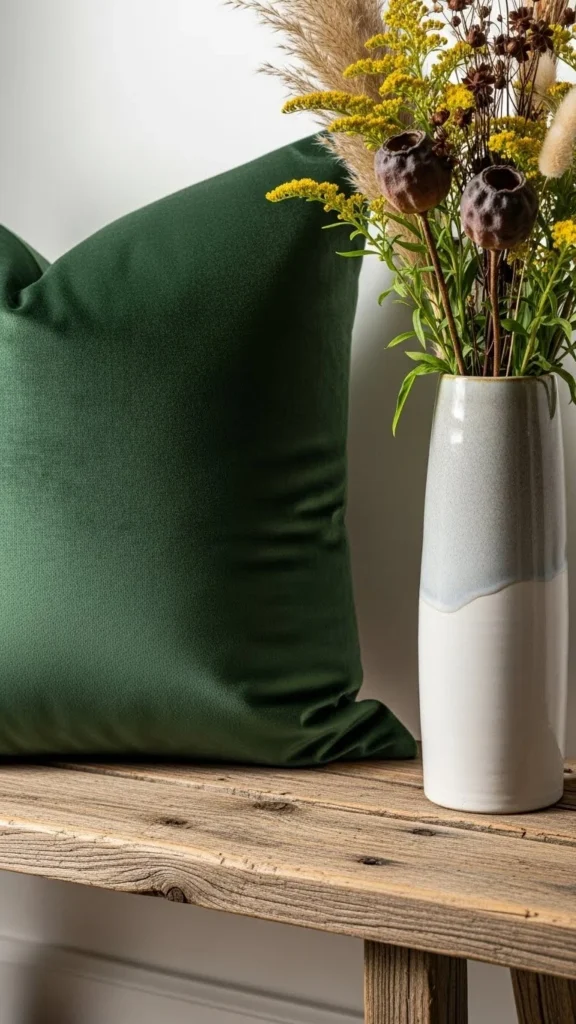
Mixing the two instantly adds dimension. A plush pillow becomes more interesting when placed next to a rough wooden surface.
Layer Textiles with Intention
Textiles are the easiest way to add texture without cluttering your space.
Try layering:
- Throw blankets in different weaves
- Pillows with varied shapes and fabrics
- Curtains with slight pattern or thickness
- Rugs on rugs (thin over thick looks amazing)
Use at least three textile textures in the same room for a well-layered feel.
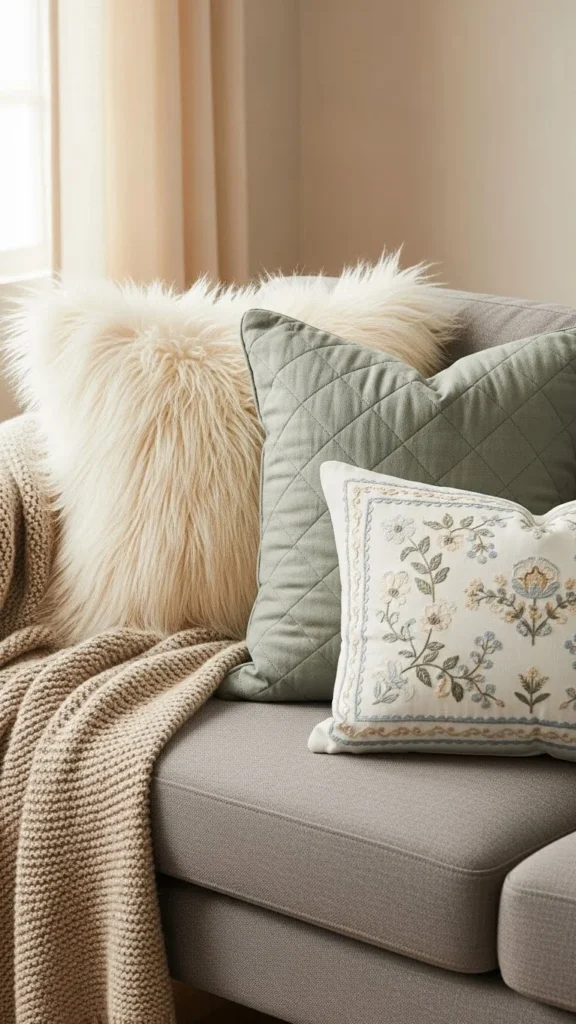
Textiles add comfort and personality while keeping the space visually interesting.
Add Natural Materials for Warmth
Natural textures instantly make a room feel grounded and multi-dimensional.
Bring in:
- Wood grain furniture
- Woven baskets
- Stone accents
- Rattan chairs
- Clay pottery
These introduce subtle variation and visual softness.
Natural materials also connect the room with the outdoors, making it feel calm and welcoming.
Use Decorative Accents to Build Layers
Smaller décor items play a major role in creating texture without overwhelming your space.
Consider adding:
- Sculptural objects
- Textured vases
- Candles with ribbed or pleated exteriors
- Layered trays
- Books with linen covers
- Dried florals
These pieces add micro-texture—tiny shifts that draw the eye and complete the layered look.
Place them intentionally on:
- Coffee tables
- Consoles
- Nightstands
- Shelves
Even a simple corner can feel rich when styled with layered accents.
Contrast Light and Dark Tones
Texture isn’t only about materials—color depth matters too.
Use contrast to bring dimension:
- Dark wood against cream fabrics
- Light rugs under darker furniture
- Matte black fixtures near glossy surfaces
- Deep-tone pillows on a light sofa
Light and dark interplay creates a dynamic visual rhythm.
Don’t Forget Vertical Texture
Walls and vertical spaces are often overlooked, but they’re key to achieving a multi-dimensional design.
Try:
- Textured wallpaper
- Wood slat panels
- Floating shelves
- Hanging textiles
- Woven wall art
- Macramé pieces
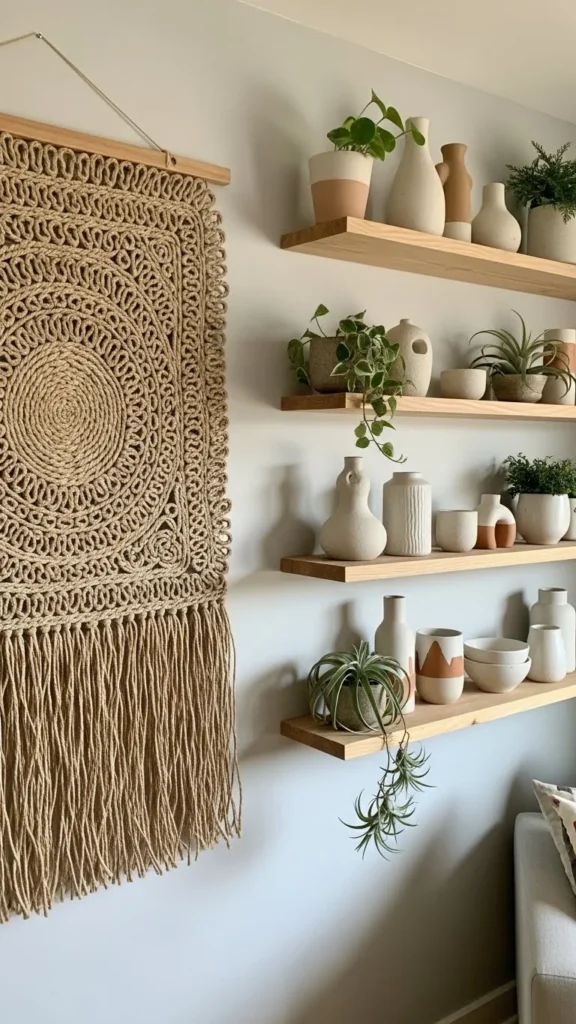
This pulls the eye upward and gives the room more depth.
Incorporate Plants for Organic Texture
Plants add a natural, effortless layer of texture. Their leaves, branches, and pots all contribute unique shapes and surfaces.
Great plant options:
- Snake plants
- Ferns
- Fiddle leaf figs
- Dried eucalyptus
- Trailing pothos
Pair plants with textured pots in clay, stone, or woven baskets.
Plants soften structured décor and create a balanced, harmonious look.
Layer Texture Through Lighting
Lighting affects how texture appears in your space. Warm, directional lighting highlights surfaces and creates shadows that deepen dimension.
Try:
- Table lamps with fabric shades
- Floor lamps with metal or glass finishes
- Soft string lights for ambient glow
- Wall sconces to spotlight textured areas
Lighting can make textures look richer and more defined.
Final Takeaway
Layered texture transforms any space into a warm, multi-dimensional retreat. By mixing materials, playing with contrast, adding natural elements, and styling in thoughtful layers, you create a home that feels rich and inviting without overwhelming your décor.
Save this guide for later—and start building your beautifully textured space one layer at a time!
Leave a Reply