

Mixing décor styles is one of the most exciting ways to create a home that feels personal, layered, and full of character. But it can also feel overwhelming—because when styles clash badly, the whole room can look chaotic fast. The good news? Blending different aesthetics is completely doable when you follow a few simple styling principles.
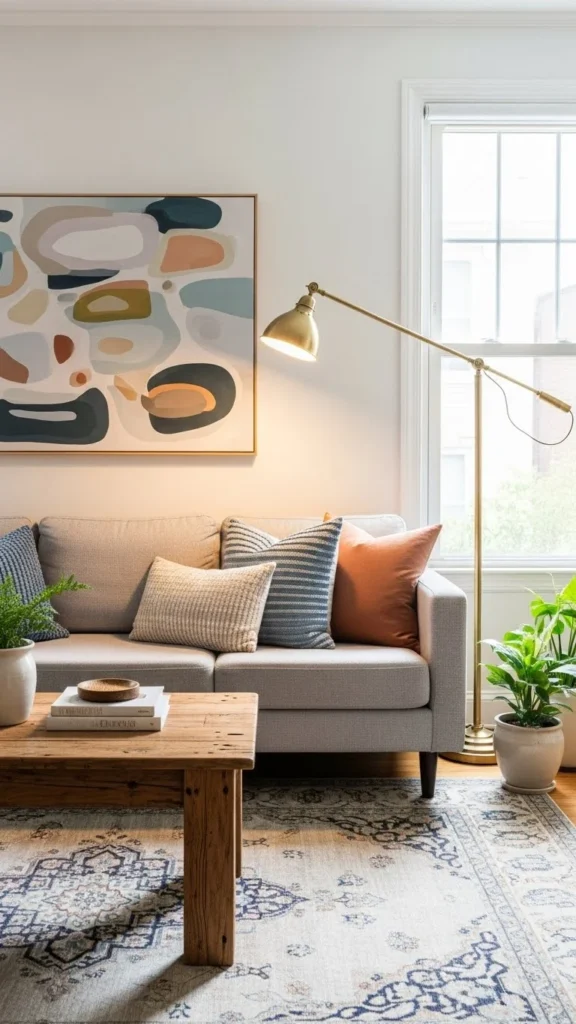
Let’s walk through how to combine styles in a way that feels balanced, intentional, and beautifully cohesive.
Start With One Main Style as Your Foundation
The easiest way to mix décor styles is to choose a dominant style first. This gives your space a clear direction and prevents visual overload.
Think of your main style as the “base layer.”
Examples:
- Modern base + rustic accents
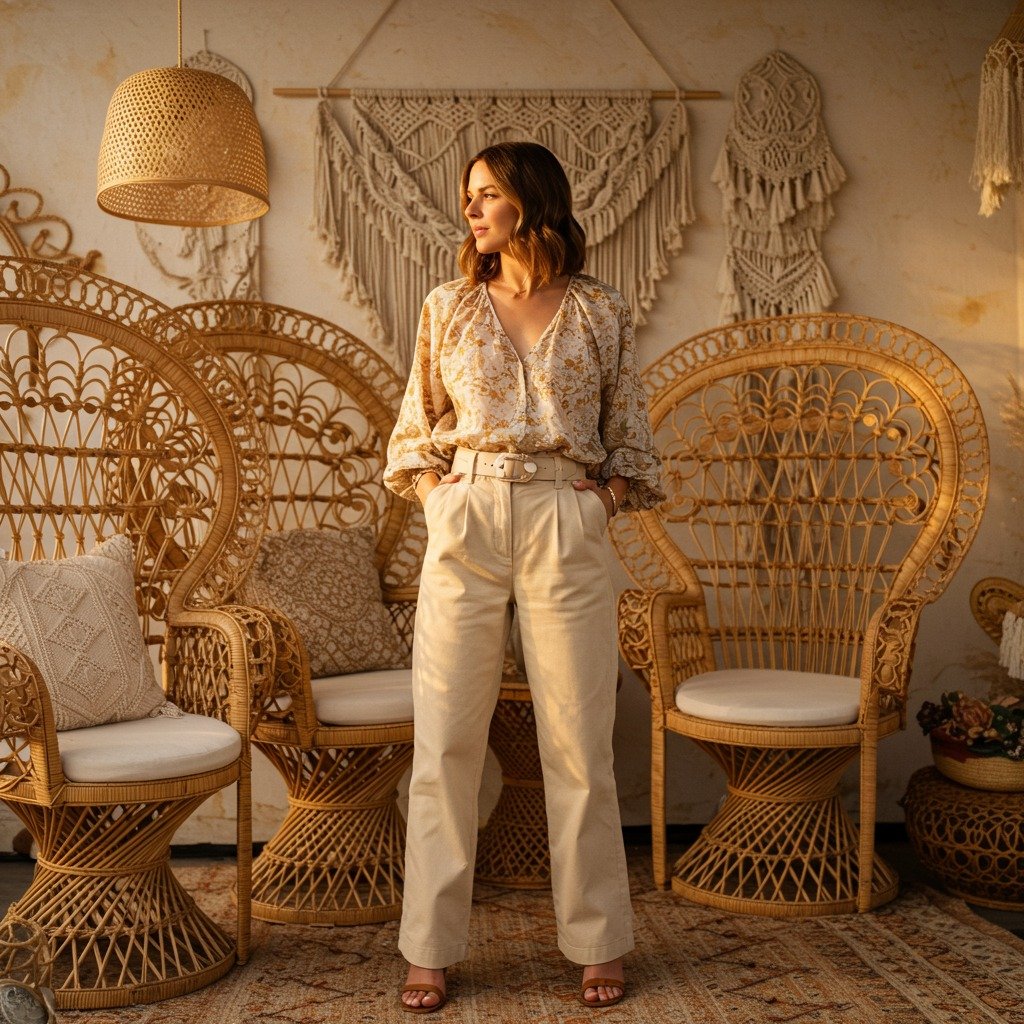
- Minimalist base + boho textiles
- Traditional base + contemporary lighting
Aim for 70% main style + 30% secondary style.
This ratio helps your room hold a strong identity while keeping the mix interesting.
Find Common Threads Between Your Styles
Even very different styles can blend seamlessly when they share certain elements.
Look for similarities in:
- Color palette
- Materials
- Textures
- Shapes
- Finishes
For example:
- You can mix industrial and farmhouse using shared wood tones.
- Scandinavian and coastal blend well thanks to light neutrals.
- Modern and boho meet easily through organic shapes and warm textiles.
Finding overlap makes the combination feel natural rather than forced.
Use a Consistent Color Palette to Tie Everything Together
Color is one of the most powerful tools for creating harmony in mixed-style rooms.
Choose:
- 1–2 main colors
- 1 accent color
- 1 neutral tone that appears throughout
A consistent palette softens the transition between styles and makes everything look cohesive.
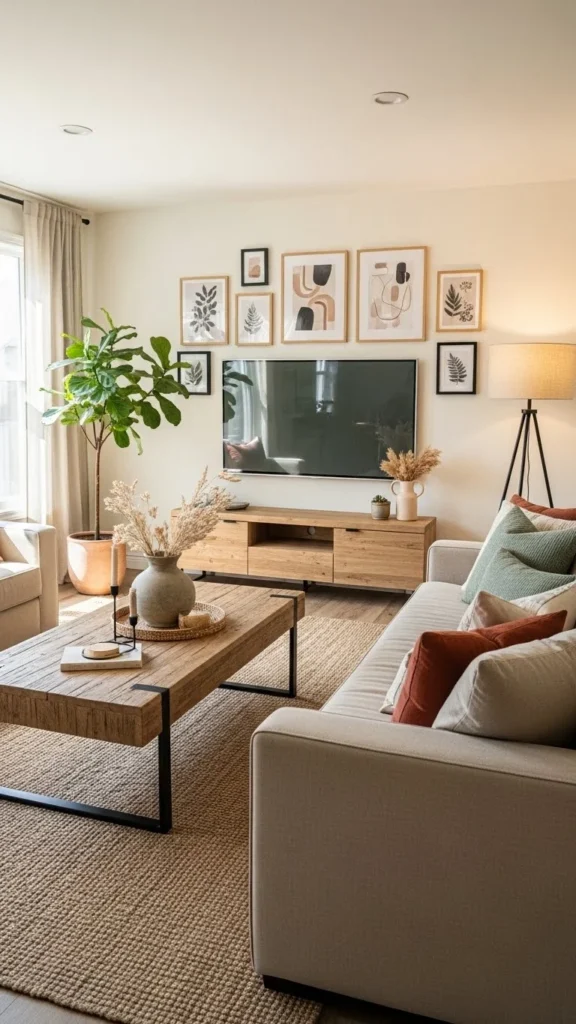
Even if the furniture comes from different design eras, the shared palette keeps the room visually calm.
Balance Visual Weight: Pair Heavy With Light, Bold With Soft
When mixing styles, balance is everything.
Try pairing:
- Chunky furniture with slim silhouettes
- Dark wood with light upholstery
- Sleek metals with organic textures
- Modern angular pieces with soft, rounded décor
If one style feels heavy, blend in elements from the opposite style to create harmony.
Example:
A modern black metal coffee table looks great next to a cozy boho rattan chair.
A traditional carved wood dresser can shine beside a minimal lamp with clean lines.
Balance prevents one style from overpowering the other.
Use Repeating Elements to Create Rhythm
Repeating certain details helps the eye flow smoothly around the room.
Repeat things like:
- A metal finish (gold, black, brushed nickel)
- A type of wood tone
- A textile texture (linen, boucle, cotton)
- A shape (round mirrors, arched lamps)
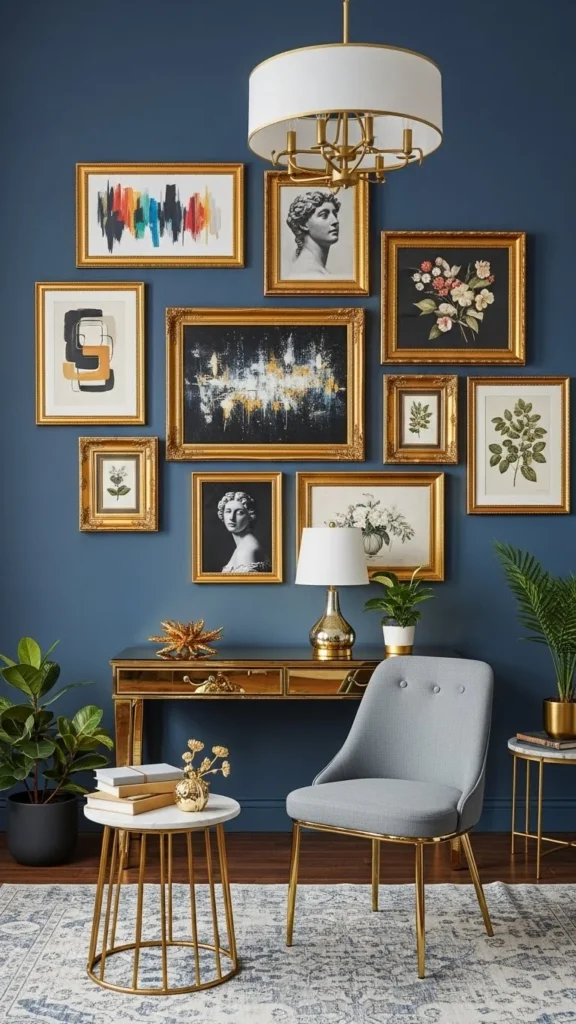
Repeating even one detail three times creates immediate visual harmony.
Mix Furniture Types Thoughtfully
Don’t mix everything at once—be intentional.
Good mixing strategies:
- Pair a modern sofa with a vintage coffee table
- Mix mid-century chairs with a contemporary rug
- Add a sleek console table to a rustic entryway
- Combine traditional art with modern light fixtures
Aim to mix one major furniture piece per style so the room feels balanced rather than busy.
If you choose multiple eclectic pieces, spread them evenly throughout the space so one corner doesn’t look mismatched.
Use Textiles to Soften Transitions Between Styles
Textiles are the secret weapon for blending décor effortlessly.
Use:
- Pillows
- Throws
- Rugs
- Curtains
These soften harsh contrasts and create cohesion.
For example, a vintage room paired with a modern leather sofa feels more balanced when you add linen pillows, a textured rug, and a soft throw.
Add Accent Décor That Bridges Both Styles
If you’re mixing modern and traditional, use transitional décor—pieces that have classic lines but modern finishes.
If you’re mixing boho and minimalist, use earthy-toned minimal sculptures or woven baskets with simple shapes.
Accent décor acts like a translator between design styles.
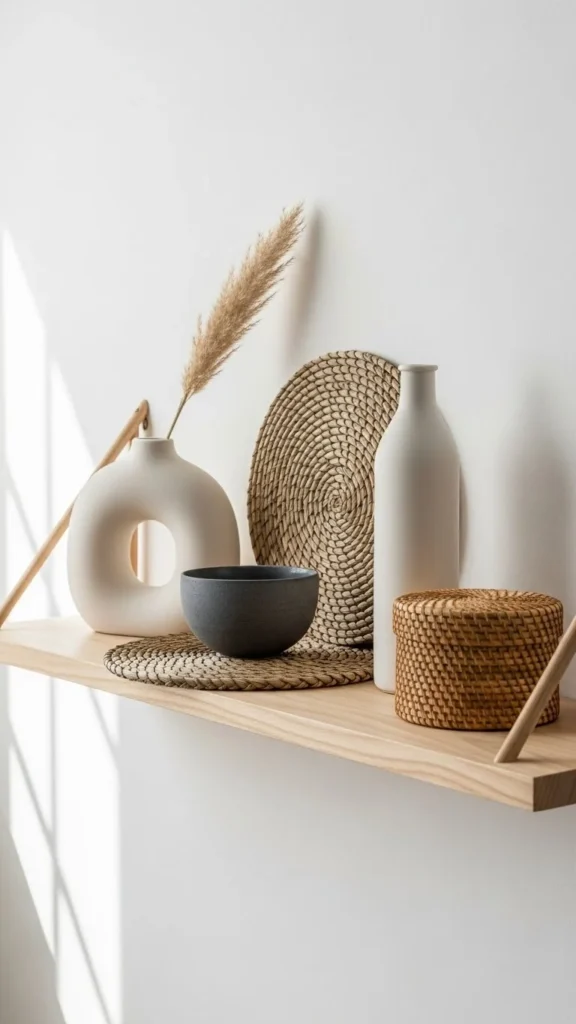
These small details pull the whole room together.
Keep the Space Edited (Too Many Styles = Visual Chaos)
The biggest mistake people make? Adding too much of everything.
To avoid clutter:
- Limit yourself to 2–3 styles max
- Avoid using every decorative piece you own
- Keep surfaces open and airy
- Leave negative space for breathing room
Editing is what transforms a mixed-style room from messy to intentional.
Step Back & Make Adjustments Until It Feels Right
Designing a mixed-style room is a creative process. Once everything is placed, step back and observe.
Ask yourself:
- Does one style dominate too heavily?
- Do the colors feel cohesive?
- Is the visual weight balanced?
- Are there too many shapes or materials competing?
Rearrange, remove, or add items until the room feels harmonious and inviting.
Final Takeaway
Mixing décor styles doesn’t have to be intimidating. With a solid color palette, balanced proportions, repeated elements, and thoughtful layering, you can blend any styles into a curated, clean, and beautifully personal home.
Save this guide for later and start mixing styles with confidence!
Leave a Reply