

Texture is one of the most powerful design tools—yet also one of the most misunderstood. Done right, it makes a room feel rich, cozy, and visually interesting. But when overdone, it can create visual chaos. The secret is intentional layering: mixing materials, finishes, and textiles in a way that feels balanced and inviting.
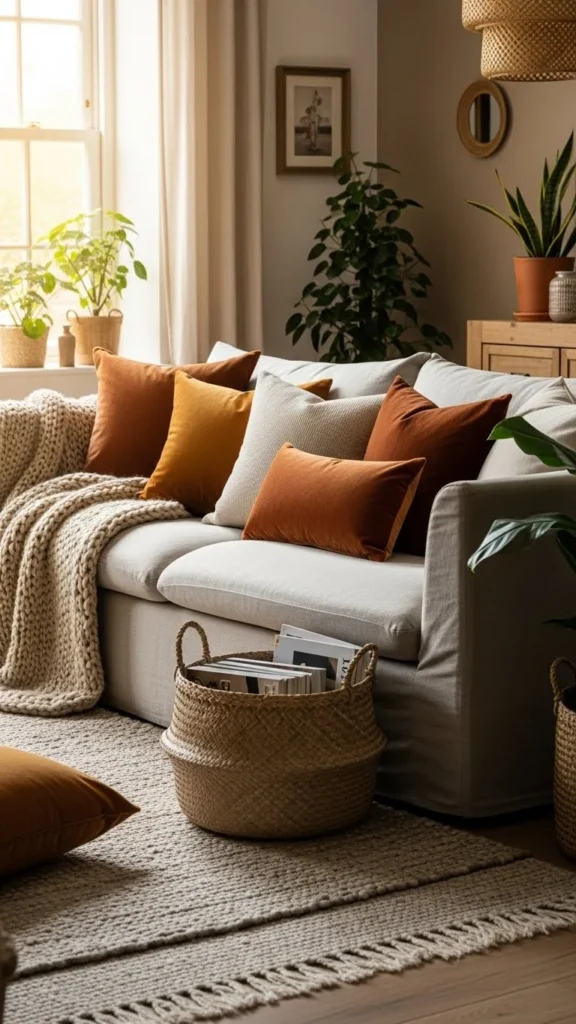
Below, you’ll learn exactly how to layer textures like a designer so your rooms feel warm, refined, and never overwhelming.
Start With a Neutral Base
Before layering lots of materials, create a simple foundation. Your base should feel calm and cohesive so the added textures have something to play off.
Great base elements include:
- Neutral sofas (linen, cotton, microfiber)
- Simple rugs in jute, wool, or flat-weave
- Solid drapes with soft movement
- Subtle wall colors like beige, white, greige, or taupe
A neutral base makes textures pop naturally—even if the room stays soft and minimal.
Mix Opposite Textures for Depth
One of the easiest ways to add richness is by combining contrasting textures. When opposites meet, they create instant depth.
Try pairing:
- Smooth + rough
- Shiny + matte
- Soft + structured
- Natural + modern
For example:
- Linen sofa + velvet pillows
- Marble coffee table + woven tray
- Wood console + ceramic décor
- Smooth leather chair + chunky knit throw
Each contrast brings balance and personality without overwhelming the space.
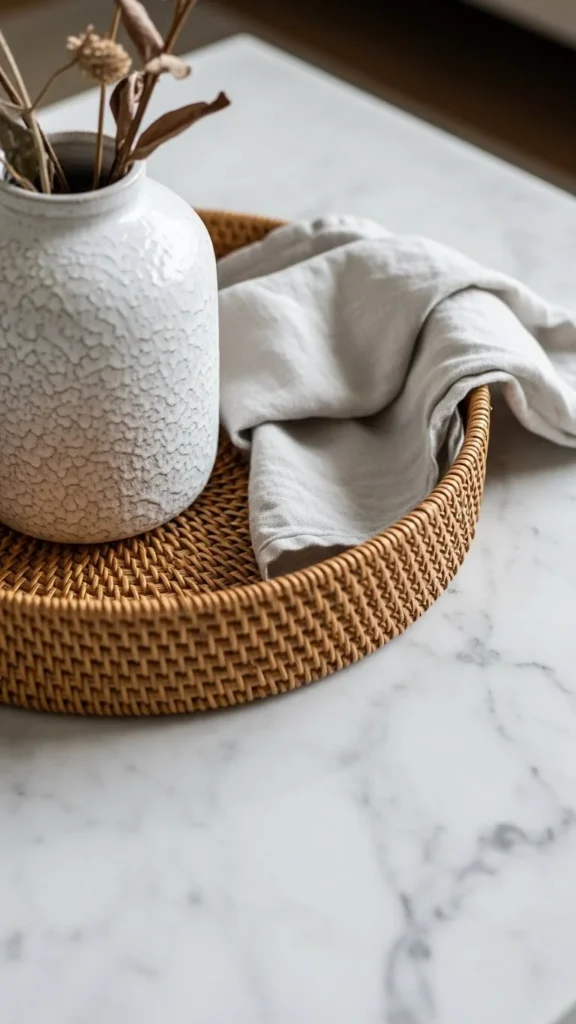
Use Textiles to Add Warmth
Textiles make any room feel layered and luxurious. They soften hard edges and bring a tactile richness that instantly elevates the space.
Consider adding:
- Throw blankets
- Accent pillows
- Upholstered ottomans
- Sheepskin or faux-fur layers
- Curtain panels with subtle texture
To avoid clutter, stick to 2–3 textile categories and vary the finishes gently. For example, a velvet pillow, a linen pillow, and a chunky knit throw can work beautifully together.
Bring in Natural Materials for Organic Balance
Nature-inspired textures keep a room grounded and timeless. They add warmth and character without overwhelming the eye.
Great natural textures include:
- Wood (oak, walnut, teak)
- Stone (marble, slate, travertine)
- Jute or sisal
- Wicker or rattan
- Clay or ceramic
These pieces soften modern interiors and add authenticity to cozy spaces.
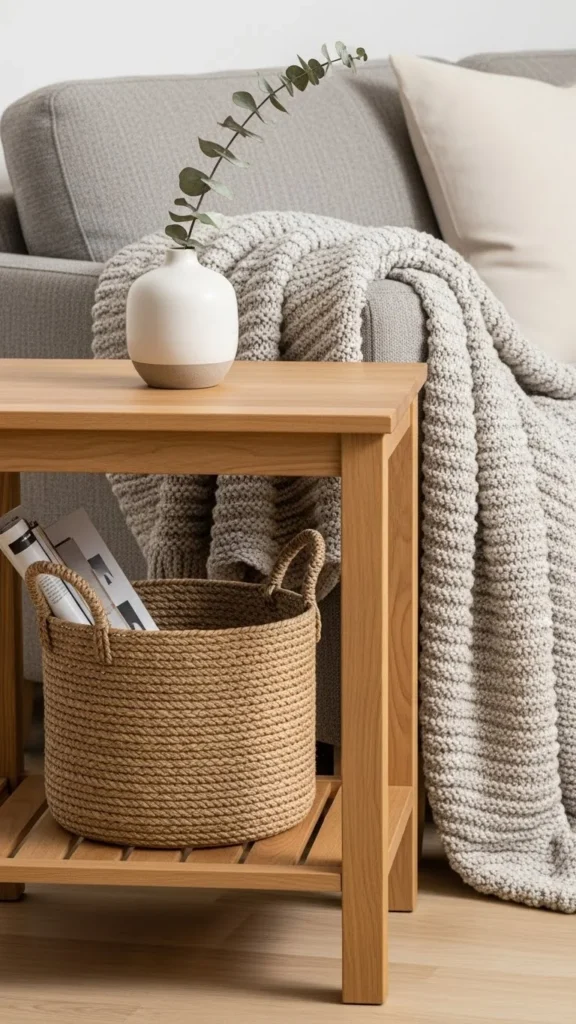
Add Metallics for a Hint of Shine
Metal accents bring sophistication and brightness to a textured space. They act as the “jewelry” of a room.
Try incorporating:
- Gold picture frames
- Brass lamps
- Chrome table legs
- Metallic trays
- Copper candle holders
Just remember: metallics should be accents, not the star. A little shine goes a long way.
Layer Rugs for a Richer Look
Rug layering is a designer favorite because it adds softness, dimension, and visual warmth.
Try pairing:
- A thin flat-weave rug over a plush base rug
- A bold patterned rug over a neutral jute rug
- A cowhide rug layered diagonally for interest
Layering rugs is especially helpful in large living rooms or open floor plans where you want visual separation without clutter.
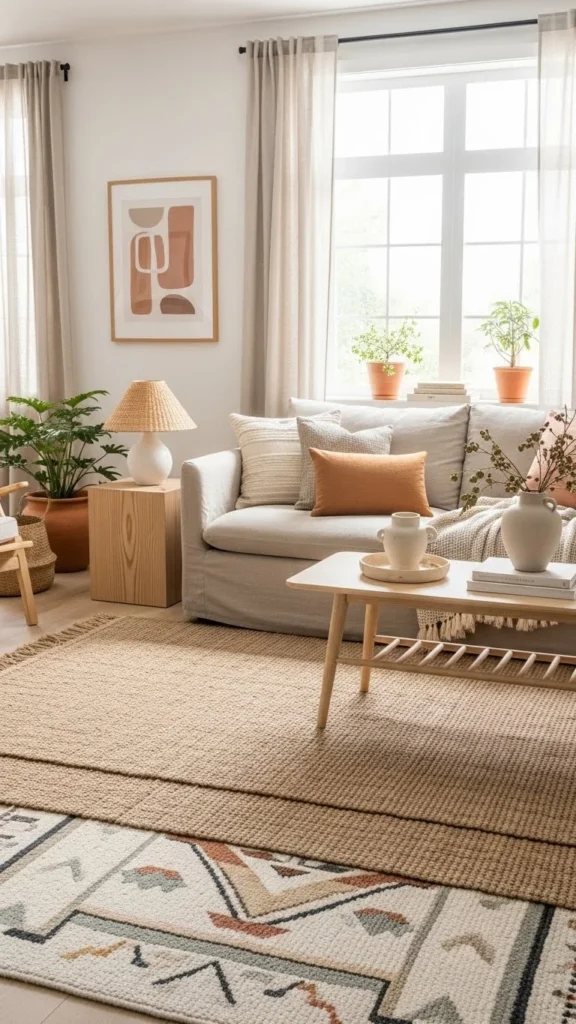
Keep the Color Palette Consistent
Too many textures in clashing colors can make a room feel chaotic. To keep things peaceful, choose a controlled color palette.
Designers often use:
- 2–3 main colors
- 1–2 accent colors
- Tones that blend instead of compete
When colors stay consistent, textures can shine without overwhelming the space.
Use Repetition to Create Harmony
You can mix many textures, but repeating a few helps tie everything together.
For example:
- Repeat wood in frames, side tables, and bowls
- Repeat linen in pillows and drapes
- Repeat brass in lamp bases and trays
Repetition prevents the room from feeling random and makes the layering feel intentional.
Don’t Forget About Visual Rest
Every textured room needs breathing space—some smooth, simple surfaces that allow the eye to relax.
Leave room on:
- Coffee tables
- Walls
- Sofa arms
- Shelves
Minimal moments make your textured areas feel richer.
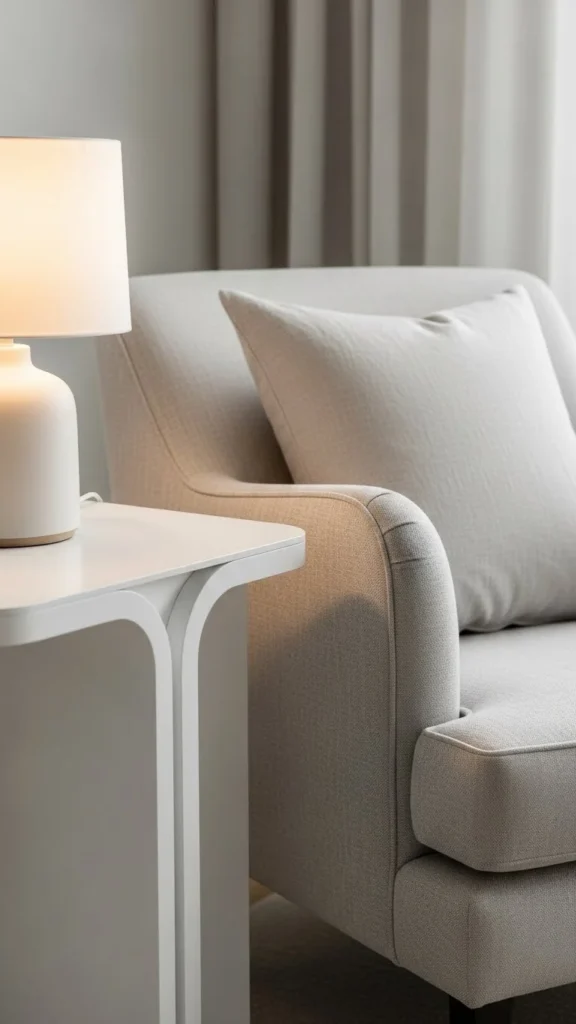
Final Takeaway
Layering textures is the secret to creating spaces that feel warm, rich, and luxuriously lived-in. Keep your base simple, mix contrasting materials, repeat key elements, and give the eye places to rest. When done intentionally, texture transforms your home into a magazine-worthy sanctuary.
Save this article for later so you can use these layering tips in your next room refresh!
Leave a Reply