

Good furniture placement isn’t just about aesthetics—it’s about how your home feels when you walk through it. A room may have beautiful décor, but if the layout is awkward or cramped, the space becomes stressful and uncomfortable. When you arrange furniture with natural traffic flow in mind, your home instantly feels open, relaxing, and easy to navigate.
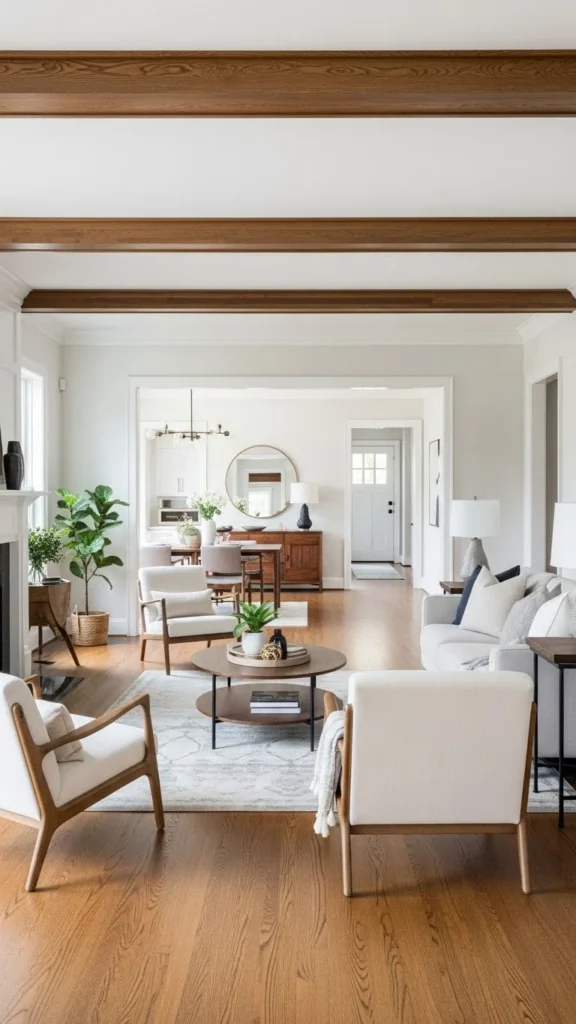
Here’s how to design layouts that feel intuitive, functional, and effortlessly stylish.
Start by Identifying Natural Pathways
Every room has natural movement patterns—routes people take to enter, exit, or navigate through the space. Before placing a single piece of furniture, identify these pathways.
Ask yourself:
- Where are the doors located?
- Where do people naturally walk when moving through the room?
- What areas need the most open space?
Once you know the flow, you can position furniture around it instead of blocking it.
Keep Main Walkways Wide & Unobstructed
Walkways should feel open, not tight or cramped. Ideally, you want at least 3 feet of space in the main traffic areas.
Avoid:
- Placing furniture directly in front of doorways
- Creating narrow “squeeze” paths
- Blocking access to windows or functional zones
A room instantly feels more comfortable when movement feels unrestricted.
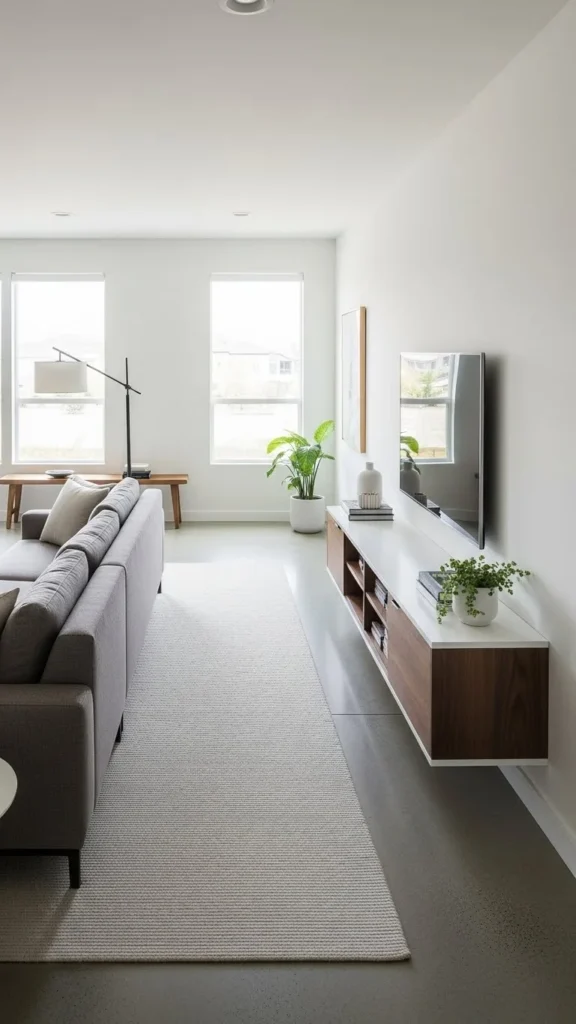
Use Furniture to Define Zones Without Blocking Flow
In open-concept spaces, furniture placement defines function. But it must be done intentionally to avoid interrupting the natural flow.
Try:
- Using rugs to mark seating or dining zones
- Positioning sofas to subtly divide areas
- Placing console tables behind sofas for gentle separation
- Using open shelving to keep zones defined but airy
These techniques create organized spaces without creating visual walls.
Float Furniture Away From Walls When Possible
Pushing everything against the walls creates awkward, empty centers and poor flow. Floating furniture creates better pathways and a more inviting layout.
Examples:
- Place the sofa facing the focal point, not the wall
- Add accent chairs angled inward
- Use a coffee table to anchor your seating circle
Floating arrangements make rooms feel cozy and intentional.
Choose the Right-Sized Furniture for the Space
Traffic flow suffers most when furniture is oversized. Large sofas, bulky tables, or heavy chairs swallow pathways and create cramped movement.
To improve flow:
- Choose slim-leg sofas and chairs
- Use round or oval tables to avoid sharp corners
- Opt for compact storage solutions
- Select furniture that fits the scale of the room
Smaller footprints free up more room for natural movement.
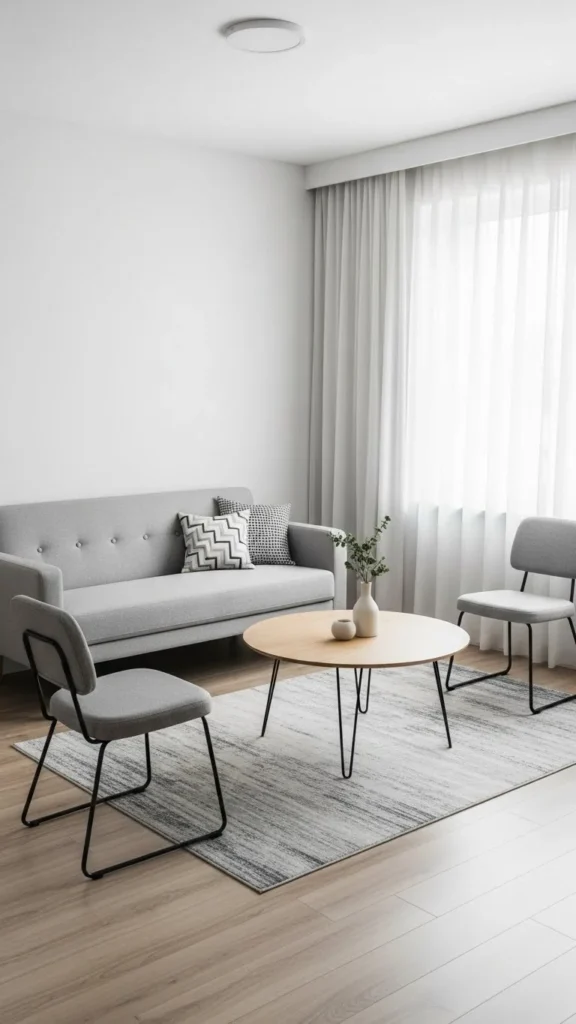
Create a Clear Entry Moment
The area by the door should instantly feel open and easy to navigate. This sets the tone for the entire room.
Avoid placing:
- Chairs
- Large plants
- Console tables
- Storage bins
directly in front of the doorway.
Instead:
- Leave space to step inside
- Position furniture so the entry sightline is clear
- Add décor off to the sides rather than straight ahead
This creates an inviting starting point for traffic flow.
Arrange Seating for Accessibility & Comfort
People should be able to move easily into and out of seating areas. Avoid trapping seats behind furniture or blocking access with tables.
Smart arrangements include:
- Leaving gaps between furniture pieces
- Ensuring every seat is accessible without squeezing through
- Using open-side coffee tables to create movement flexibility
Comfortable seating starts with an easy path to sit down.
Use Round, Oval, or Soft-Edged Furniture for Tight Spaces
Sharp corners disrupt traffic flow. Rounded shapes help guide movement naturally and soften the room visually.
Great options for small or narrow rooms:
- Round coffee tables
- Oval dining tables
- Curved-edge consoles
- Soft rounded armchairs
Rounded furniture makes walking paths smooth and intuitive.
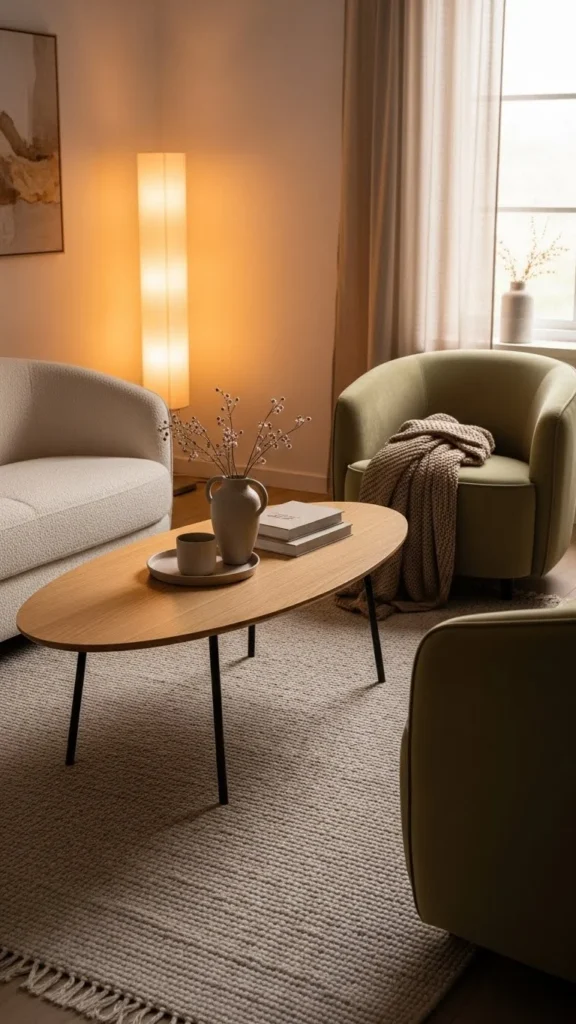
Don’t Overfill the Room—Leave Breathing Space
More furniture doesn’t equal better design. In fact, open floor space is a crucial part of good traffic flow.
Try:
- Removing one unnecessary piece
- Using multi-functional furniture (ottoman + storage)
- Creating intentional empty corners
- Keeping décor elevated (wall-mounted shelves instead of floor cabinets)
Breathing room gives your space calmness and clarity.
Final Takeaway
Arranging furniture with natural traffic flow in mind makes your home feel instantly more comfortable, intuitive, and welcoming. By identifying pathways, choosing the right-size pieces, floating furniture, and giving the room breathing space, you create a layout that’s both functional and beautiful.
Save this article for later so you can redesign your layout with confidence!
Leave a Reply