

There’s something magical about a kitchen filled with plants. The space feels fresher, calmer, and instantly more alive. But if you’ve ever brought a plant into your kitchen only to watch it struggle, you know that decorating with greenery isn’t just about looks—it’s about choosing plants that actually thrive in this environment.
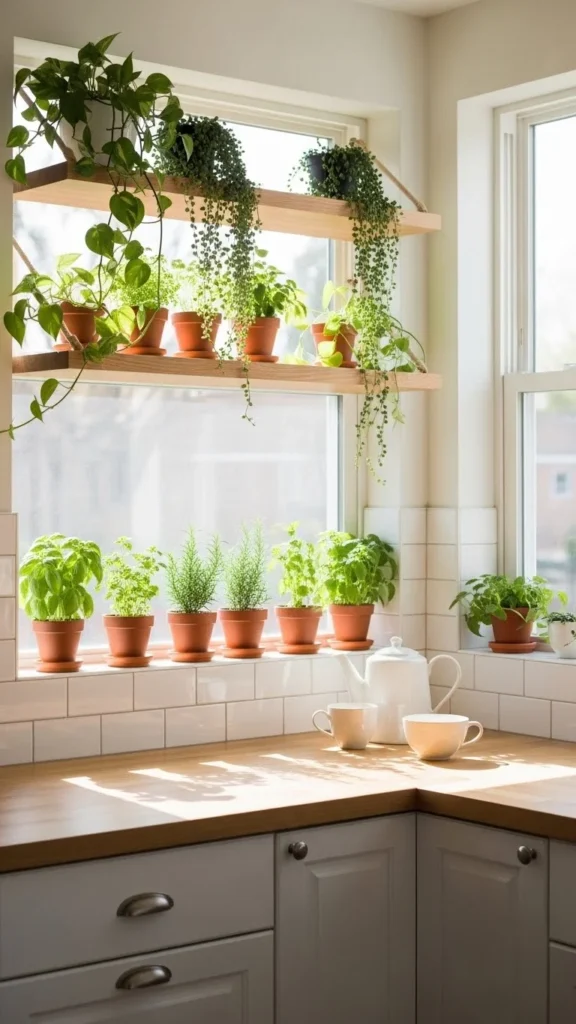
The good news? With the right plant choices and smart placement, you can decorate your kitchen with greenery that looks beautiful and grows happily. Here’s how to do it the right way.
Understand Your Kitchen’s Light First
Before buying any plants, take a moment to observe your kitchen’s natural light. This step alone will save you time, money, and frustration.
Ask yourself:
- Does your kitchen get bright, direct sunlight?
- Is the light indirect but consistent?
- Is it mostly low-light with small windows?
Kitchens often have changing light due to cabinets, appliances, and window placement. Knowing your light level helps you choose plants that won’t struggle.
Start With Plants That Love Kitchen Conditions
Kitchens are warm, humid, and full of temperature changes—great conditions for certain plants.
Some of the best kitchen-friendly plants include:
- Herbs (basil, rosemary, mint)
- Pothos (great for shelves and cabinets)
- Snake plant (handles low light and heat)
- Spider plant (hardy and forgiving)
- ZZ plant (low maintenance, low light)
These plants are resilient and adapt well to kitchen environments.
Use the Windowsill as Your Plant Power Zone
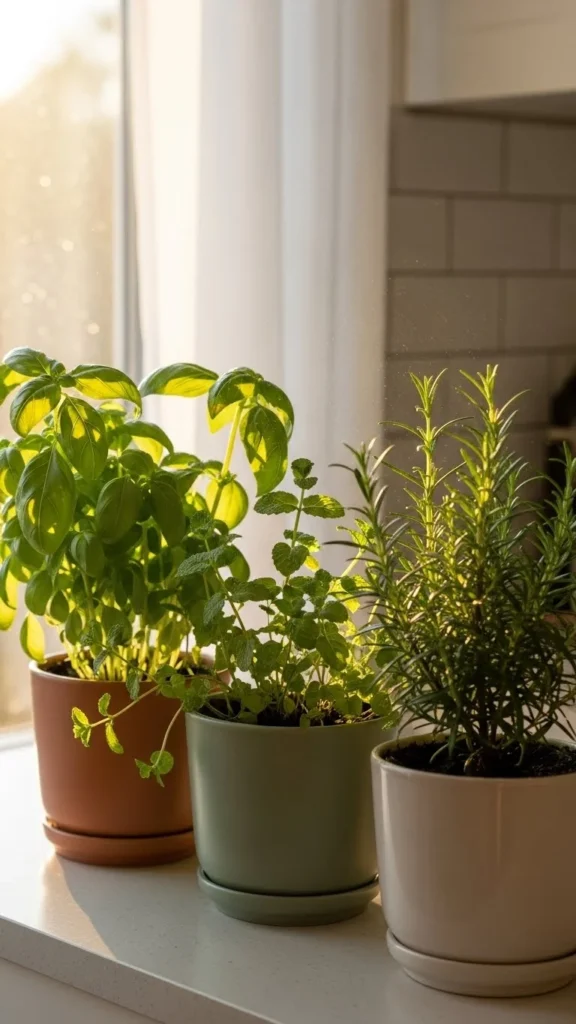
If your kitchen has a window, that area is prime real estate for plants. Windowsills provide consistent light and are perfect for smaller pots.
Great windowsill ideas:
- Line up matching herb pots
- Mix one trailing plant with upright herbs
- Use neutral or terracotta planters
Avoid overcrowding. Leaving space between plants improves airflow and keeps the look clean and intentional.
Style Open Shelves With Trailing Plants
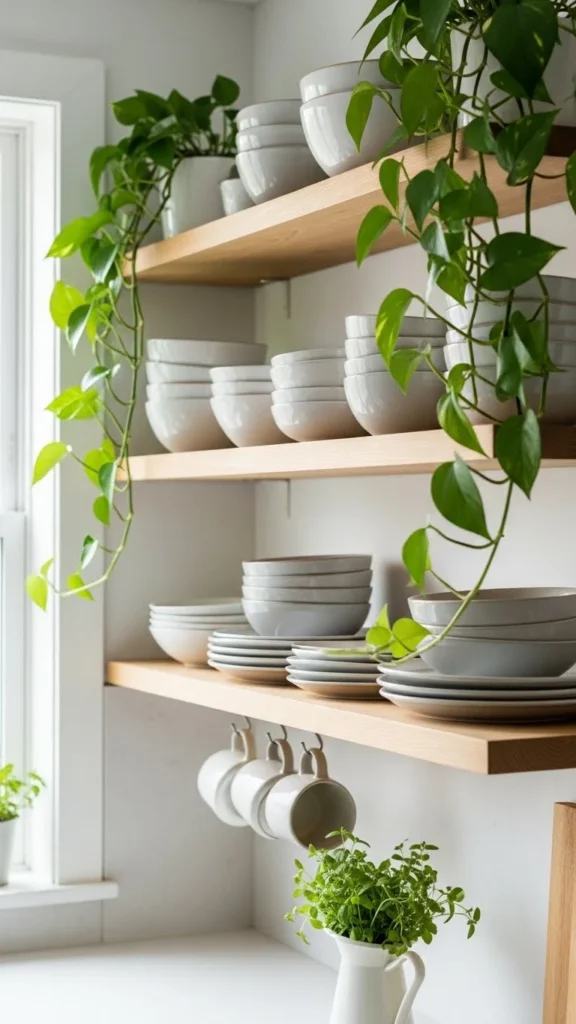
Open shelves are one of the best places to add greenery without sacrificing counter space. Trailing plants soften hard lines and add movement.
Best trailing plants for shelves:
- Pothos
- Philodendron
- Heartleaf philodendron
Let vines naturally drape downward instead of trimming them too tightly. This relaxed look adds warmth without clutter.
Keep Countertop Plants Small and Intentional
Countertops can quickly feel cluttered, so plant placement here should be minimal.
Stick to:
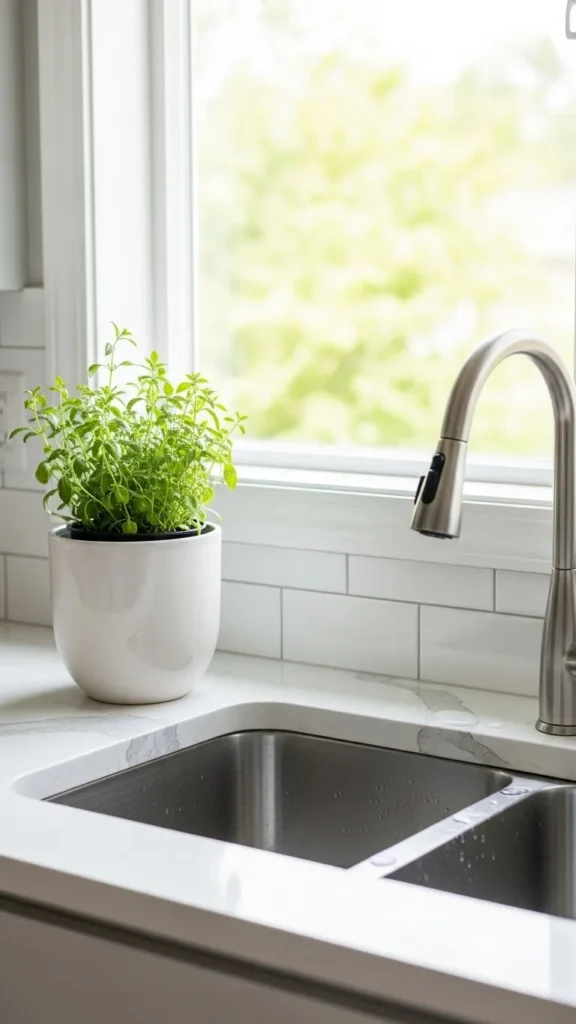
- One small potted herb
- A compact snake plant
- A single decorative ceramic planter
Place countertop plants near:
- The sink
- A corner with natural light
- A backsplash area with space to breathe
Choose the Right Planters for Kitchen Use
Planters matter more than you think. The wrong pot can trap moisture, stain surfaces, or clash with your decor.
Smart planter tips:
- Use pots with drainage holes
- Add saucers to protect countertops
- Stick to ceramic, stone, or terracotta
- Avoid overly decorative or bulky pots
Neutral planters help greenery shine and keep the kitchen looking cohesive.
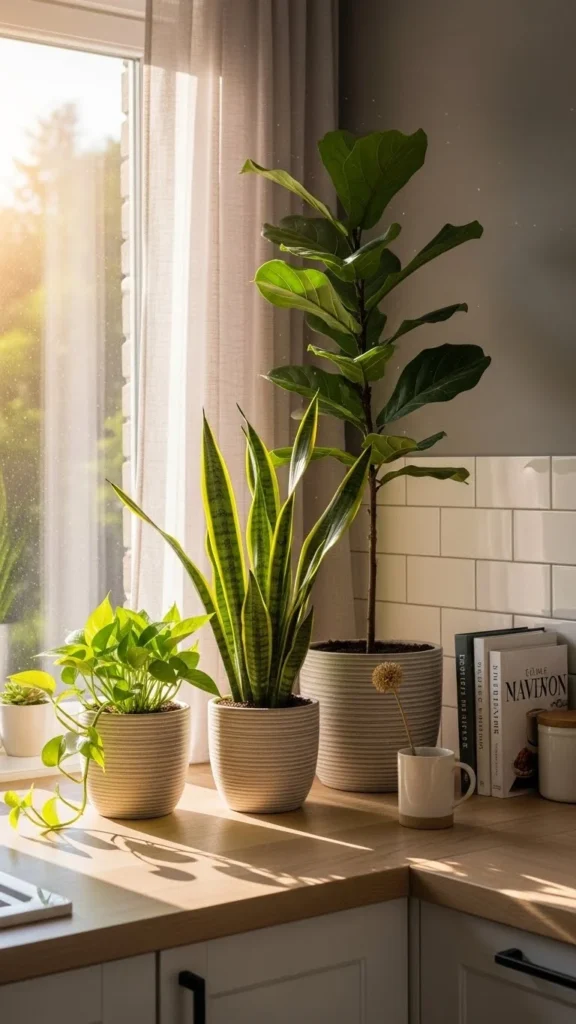
Group Plants in Odd Numbers for a Styled Look
If you want a Pinterest-worthy look, plant grouping is key.
Styling rules that work:
- Group plants in sets of 3
- Mix heights (tall, medium, trailing)
- Keep planters in the same color family
This creates visual balance without feeling busy.
Avoid Common Kitchen Plant Mistakes
Even the toughest plants can struggle if placed incorrectly.
Avoid these common issues:
- Putting plants too close to heat sources
- Overwatering due to kitchen humidity
- Using decorative pots without drainage
- Crowding too many plants in one area
Less is more. A few healthy plants look better than many struggling ones.
Make Plant Care Part of Your Kitchen Routine
The best thing about kitchen plants? You see them every day—making care easier.
Simple care habits:
- Water plants on the same day each week
- Rotate pots for even growth
- Wipe leaves occasionally to remove grease or dust
Consistency keeps plants thriving and your kitchen looking fresh.
Use Faux Plants Only Where Real Ones Can’t Survive
If a spot gets zero light—like above cabinets or in dark corners—faux plants can work if used sparingly.
Tips for using faux greenery:
- Choose realistic, high-quality pieces
- Use only one faux plant per area
- Mix faux with real plants elsewhere
This keeps the look natural instead of artificial.
Final Takeaway
Decorating a kitchen with plants that thrive is about choosing the right greenery, placing it thoughtfully, and keeping things simple. When plants match your light, layout, and lifestyle, they don’t just survive—they elevate the entire space.
Fresh air. Natural beauty. A kitchen that feels alive.
🌿 Save this guide for later if you’re ready to bring more greenery into your kitchen the right way.

Leave a Reply