

Have you ever walked into a room and instantly felt like something was “off”—even though nothing specific stood out? That subtle imbalance usually comes down to scale and proportion. Designers master these two principles to make rooms feel harmonious, spacious, and stylish. And the best part? You can do it too, once you understand a few simple rules.
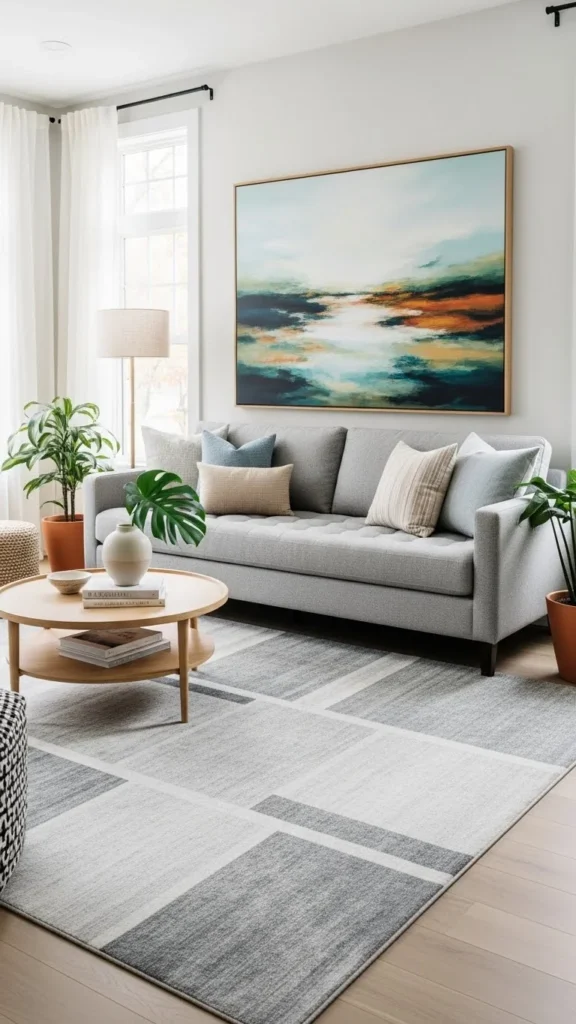
Let’s break down how to create beautifully balanced spaces that look polished and designer-approved.
Understand the Difference Between Scale & Proportion
Before adjusting your décor, it’s important to understand these two design fundamentals:
Scale:
How big an object is compared to the room itself.
Example: A huge sectional in a tiny room = off-scale.
Proportion:
How objects relate to each other within a space.
Example: Small lamps next to an oversized sofa = poor proportion.
Once you recognize these differences, creating balance becomes easier and more intuitive.
Start With the Largest Piece in the Room
Designers always begin with the anchor piece—usually the sofa, bed, or dining table. Why? Because this piece sets the tone for everything else.
Tips:
- Choose a sofa that fits the room length without touching every wall.
- Pick a bed size that leaves enough room for nightstands.
- Avoid oversized dining tables in small kitchens.
When your main piece is properly scaled, everything else becomes easier to plan.
Use the “2/3 Rule” for Instant Designer Harmony
One of the simplest design hacks is the 2/3 rule, used constantly by interior designers.
How it works:
- Artwork should be two-thirds the width of the furniture beneath it.
- A sofa should be two-thirds the length of the wall behind it.
- Rugs should fit two-thirds under major furniture pieces.
This creates a sense of unity and visual balance.
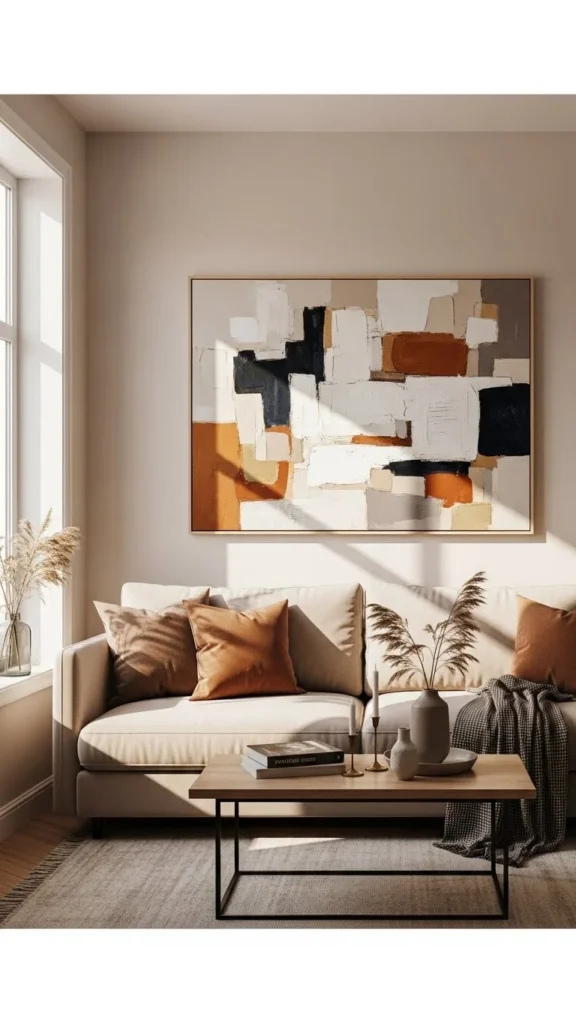
Choose the Right Rug Size (It Matters More Than You Think)
A rug that’s too small throws off an entire room. The rule of thumb: bigger is almost always better.
Ideal rug proportions:
- The rug should extend at least 6–12 inches beyond the sofa on each side.
- In a bedroom, the rug should sit under 2/3 of the bed, extending outward.
- For dining rooms, the rug should be large enough for chairs to stay on when pulled out.
A good rug anchors the space, balances furniture, and makes the room feel finished.
Mix Furniture Heights to Add Depth
Rooms look flat when everything is the same height. Designers intentionally mix pieces to create visual movement.
Try combining:
- A tall floor lamp
- A medium-height side table
- Low seating or poufs
- Artwork hung at eye level
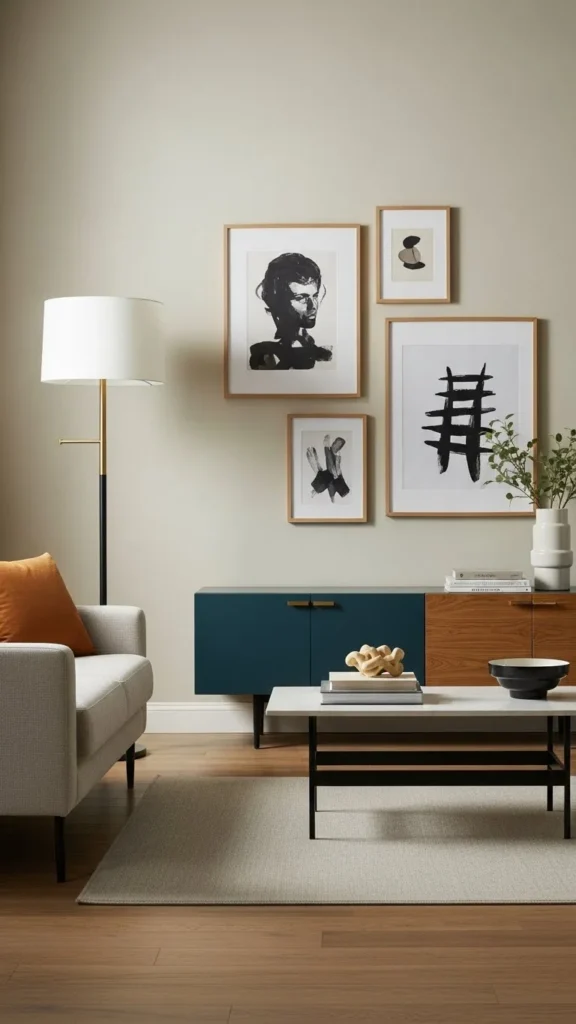
This variation adds dimension and keeps the eye moving throughout the room.
Balance Heavy & Light Visual Weight
Not all objects feel equal in a room, even if they’re physically the same size. Some items carry more visual weight based on their color, texture, or shape.
Heavy visual weight:
- Dark furniture
- Chunky shapes
- Large wooden pieces
Light visual weight:
- Glass furniture
- Thin frames
- Light-colored upholstery
Balance these by pairing opposites.
Example: A heavy wood coffee table looks great with slimmer accent chairs.
Use Repetition for Rhythm & Balance
Repeating shapes, colors, or materials helps the room feel cohesive.
You can repeat:
- Metallic finishes
- Wood tones
- Colors in pillows or art
- Similar-shaped décor pieces (round mirrors, round lamps)
Repeating elements creates flow, making the scale and proportion feel intentional.
Don’t Push All Furniture Against the Walls
Spacing furniture too far apart makes a room feel empty, while bunching everything together feels cramped. Designers always look for balance.
Ideal spacing:
- Keep 30–36 inches between large furniture pieces.
- Maintain 12–18 inches between sofas and coffee tables.
- Float furniture slightly away from walls to create breathing room.
Balanced spacing instantly makes a room feel more luxurious.
Use Oversized Decor—but Strategically
Large walls, high ceilings, or spacious rooms call for larger décor pieces.
Try:
- Oversized art
- Large statement mirrors
- Big plants
- Chunky vases
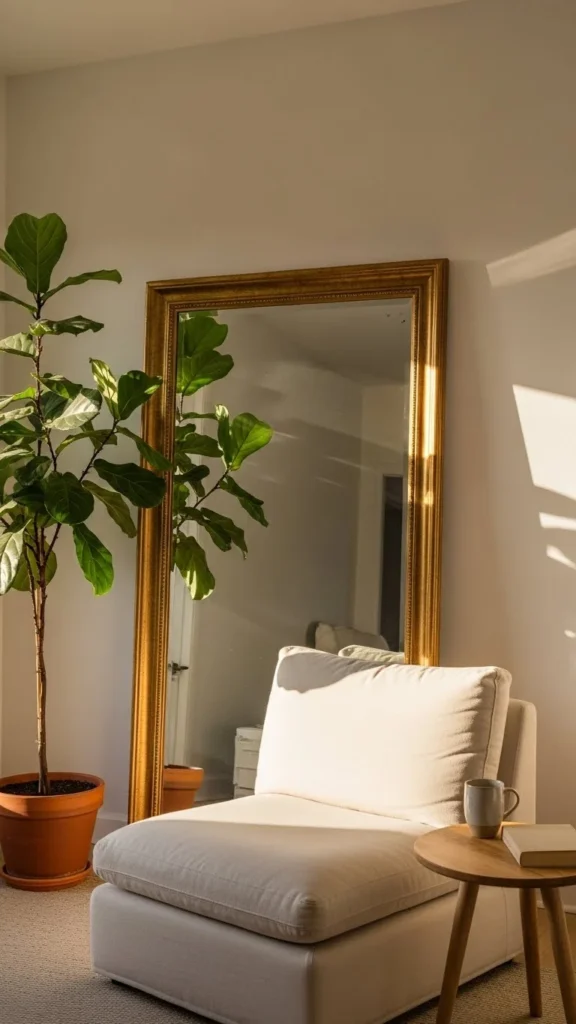
Bigger décor items create impact without cluttering the space. Just don’t combine too many oversized items at once—balance is key.
Make Sure Every Item Has a Visual Relationship
Nothing in a designer home feels random—every piece relates to something nearby.
Ask yourself:
- Does this lamp match the scale of the side table?
- Does the artwork relate to the sofa size?
- Does the coffee table fit the seating arrangement?
When objects feel connected, the whole room looks balanced and intentional.
Final Takeaway
Balancing scale and proportion isn’t about strict rules—it’s about creating harmony. When you mix heights, choose correctly sized furniture, follow the 2/3 rule, and use visual weight strategically, your space starts to feel cohesive and beautifully designed.
Save this guide for later and start styling your spaces with designer-level balance and confidence!
Leave a Reply