

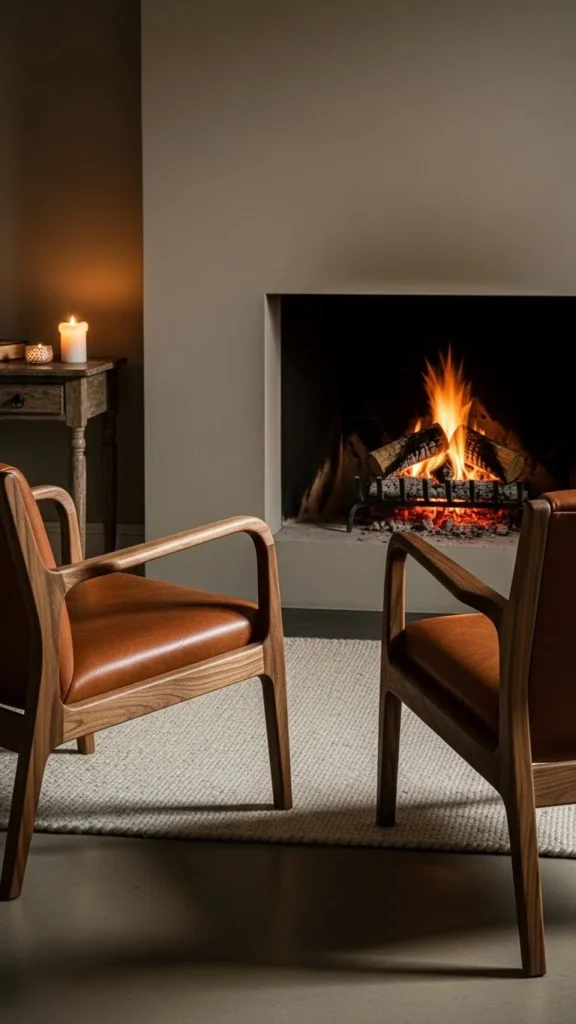
Winter interiors call for grounding furniture that feels calm, stable, and well-balanced. Walnut and leather side chairs fit that role perfectly. The rich wood tone brings warmth during colder months, while leather adds comfort and structure without looking heavy. These chairs work across dining rooms, living spaces, offices, and quiet corners. They pair well with winter textures like wool, linen, and stone. This list focuses on practical styling ideas you can use right away, including budget-friendly swaps and simple DIY updates that help your space feel settled and intentional through winter.
1. Curved Walnut Frames With Saddle Leather Seats
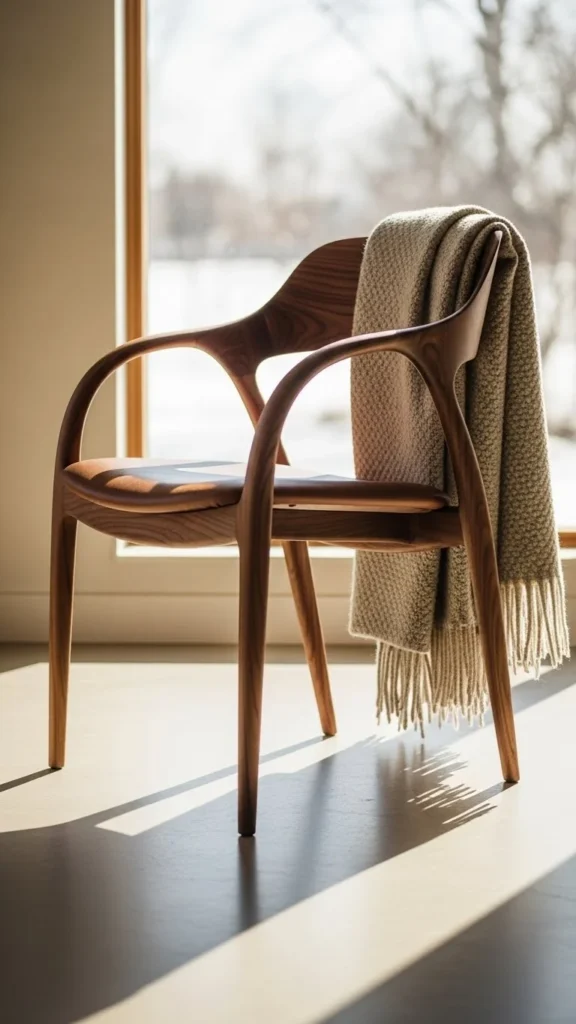
Curved walnut frames soften a room during winter when light feels limited. The rounded shape reduces harsh lines and makes seating feel inviting. Saddle leather adds grip and comfort without extra padding. Place these chairs near a window or reading nook. The curve catches light and highlights the wood grain.
For smaller budgets, look for vintage dining chairs with curved backs. Clean the wood with a gentle oil. Replace worn seats using leather remnants or faux leather sheets. Even vinyl in a warm brown tone works well.
Pair with a thick wool rug underfoot. Keep nearby tables simple. A small oak or black metal side table works nicely. Avoid shiny finishes nearby. Matte surfaces help the chair stand out.
These chairs also work at the head of a dining table. They visually frame the space and feel balanced. In winter, add a neutral cushion only if needed. Let the wood and leather remain the focus.
2. Slim Profile Walnut Chairs for Small Winter Rooms
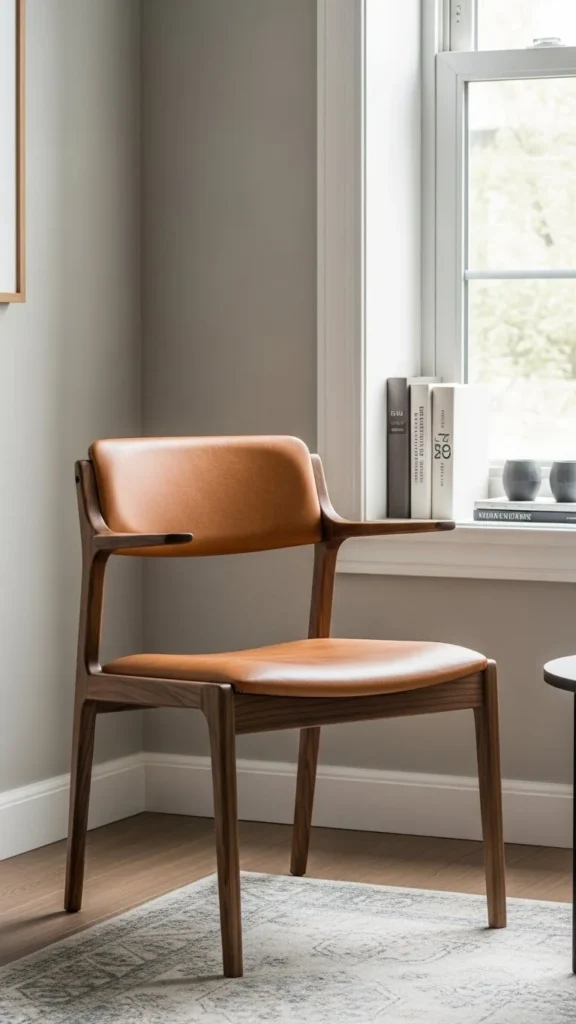
Slim-profile chairs work well when winter layouts feel tight. Heavy coats, throws, and rugs already add visual weight. A narrow walnut frame keeps the room open. Leather seats provide comfort without bulk.
Use these chairs in apartments or small dining areas. Keep spacing generous around them. Even a few inches helps airflow and movement. Choose chairs with straight legs and minimal stretchers.
Budget tip: Many mid-century reproductions offer slim frames. Swap dark vinyl seats with leather-look alternatives if needed. A simple staple gun and patience go a long way.
Style with light-colored rugs to balance the darker wood. Add one textured pillow nearby, not on the chair. Let the clean lines do the work.
These chairs also function well as desk seating. Walnut pairs nicely with white or stone desks. Leather handles daily use during winter layers and sweaters.
3. High-Back Walnut Chairs for Dining Anchors
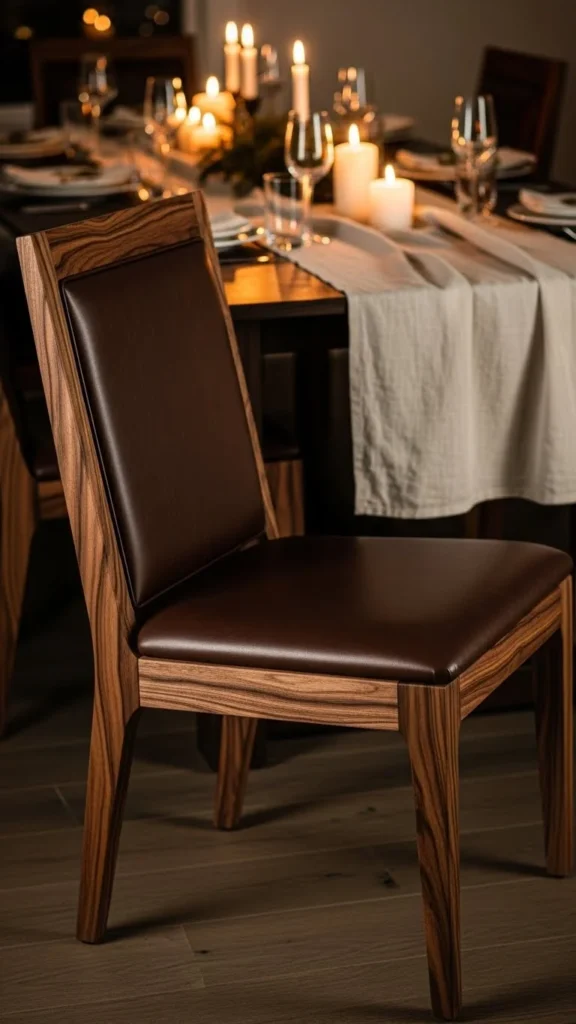
High-back walnut chairs bring structure to winter dining spaces. The vertical lines add presence without overpowering the table. Leather seats handle long meals and layered clothing comfortably.
Place these at the ends of a dining table. They frame the setup and guide the eye. Walnut works well with light oak tables or darker stained surfaces.
For savings, mix high-back chairs only at the ends. Use simpler chairs along the sides. This creates contrast while controlling cost.
DIY idea: Refinish existing tall chairs using walnut stain. Replace fabric seats with leather-look material in tan or chestnut. Focus on clean seams.
During winter, keep table decor low. Let the chairs define the scene. Add a wool runner or ceramic centerpiece nearby for seasonal texture.
4. Walnut Armchairs With Leather Wrap Seats
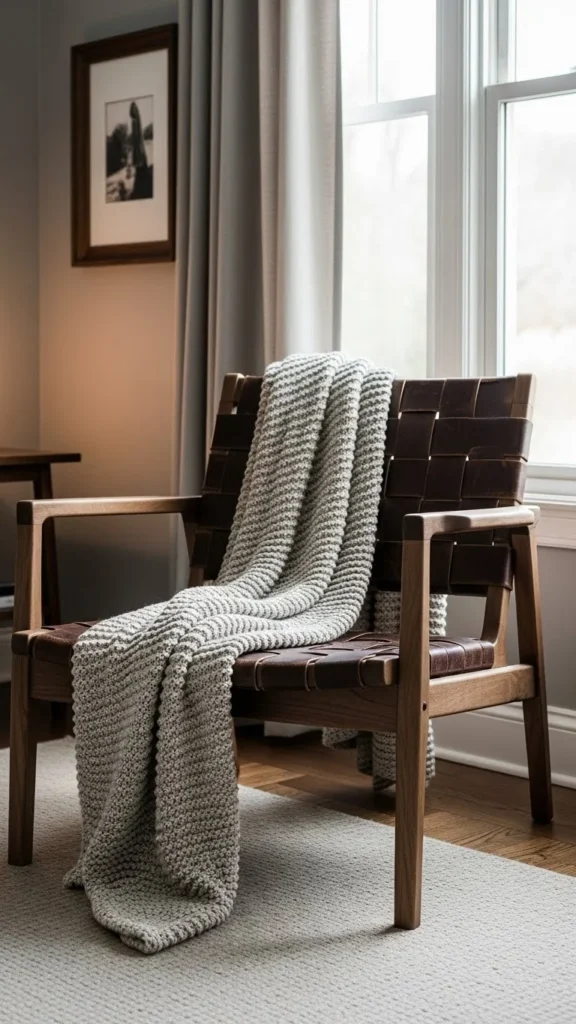
Leather wrap seats add comfort without thick cushions. Walnut arms create a solid frame that feels reliable in colder months. These chairs suit reading corners and fireside layouts.
Position one near a floor lamp. Warm lighting highlights leather texture. Keep accessories minimal. A single side table is enough.
Budget approach: Look for wooden armchairs with solid frames. Add leather wrap kits or pre-cut upholstery leather. Faux leather also works for light use.
Layer the floor with a flat-weave rug. Avoid shag under chairs with arms. Stability matters.
These chairs work well in pairs. Place them opposite a sofa to create balance. Walnut ties together darker winter accents like iron or stone.
5. Walnut Ladder-Back Chairs With Leather Pads
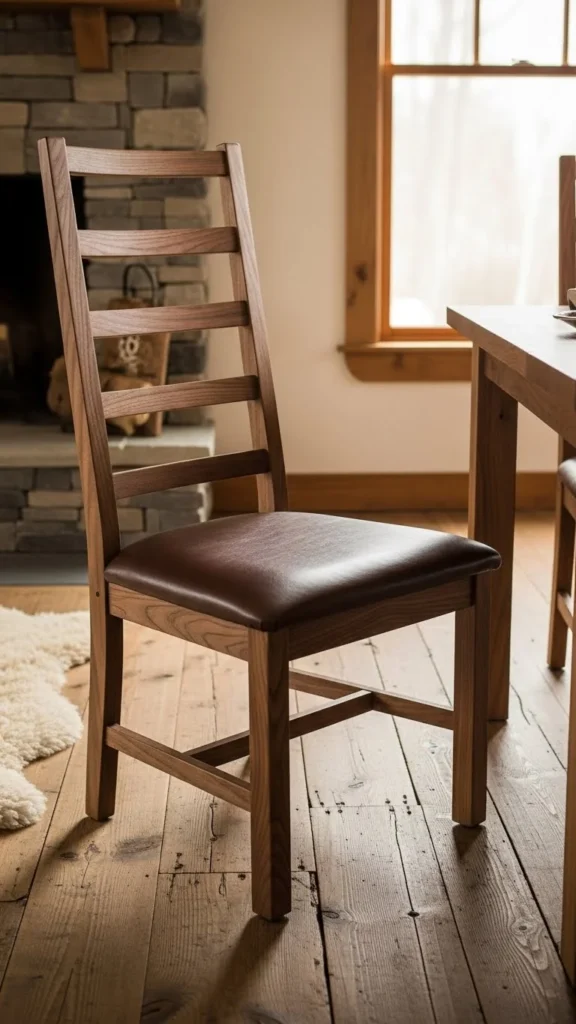
Ladder-back chairs bring a classic look that feels right in winter. Walnut gives them depth. Leather pads improve comfort without altering the structure.
Use these in kitchens or casual dining areas. They pair well with farmhouse tables and stone floors.
For a lower-cost update, add leather seat pads to existing ladder-back chairs. Use ties or hidden fasteners. Keep the leather tone warm.
Winter styling tip: Add a woven basket nearby for throws. Keep walls neutral. Let the wood tones layer naturally.
These chairs stack easily in visual terms. They don’t dominate the room. Perfect for homes that shift layouts seasonally.
6. Low-Slung Walnut Chairs for Relaxed Corners
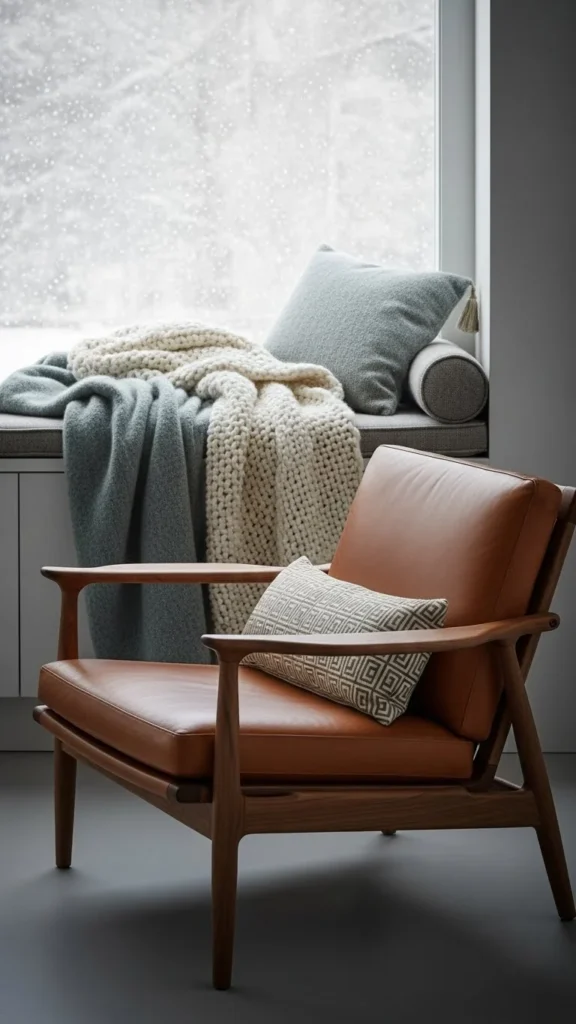
Low-slung chairs feel grounded. They encourage slower movement during winter. Walnut frames keep them from feeling too casual.
Use them near fireplaces or in bedrooms. Leather seats hold warmth better than fabric in cool rooms.
Budget option: Look for low lounge chairs with solid wood arms. Refinish in walnut stain. Replace cushions with leather covers if possible.
Pair with a thick rug and a side table at arm height. Avoid tall lamps nearby. Keep proportions balanced.
These chairs work well for quiet moments. Reading, tea breaks, or evening rest feel natural here.
7. Walnut Dining Chairs With Tapered Legs
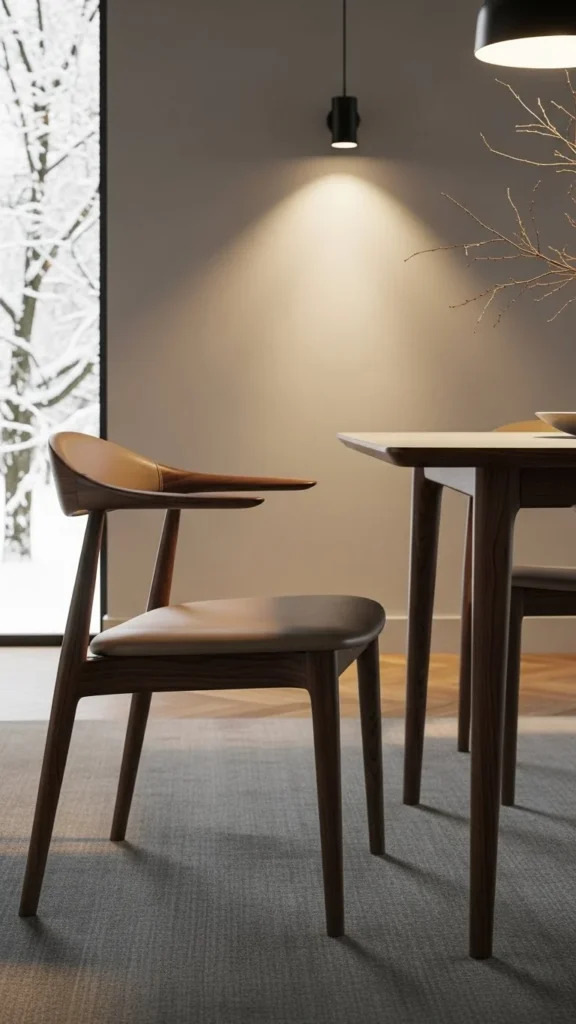
Tapered legs lighten the look of walnut chairs. They prevent the room from feeling heavy during darker months. Leather seats add structure.
Place these around round or oval tables. The leg shape complements curves well.
DIY tip: Sand and refinish legs on older chairs. Add leather seat covers using adhesive foam and staples.
Keep floor rugs low pile. This allows leg lines to stay visible.
These chairs adapt easily between seasons. In winter, add warm lighting above. In summer, they still feel clean.
8. Walnut Side Chairs for Entryway Seating
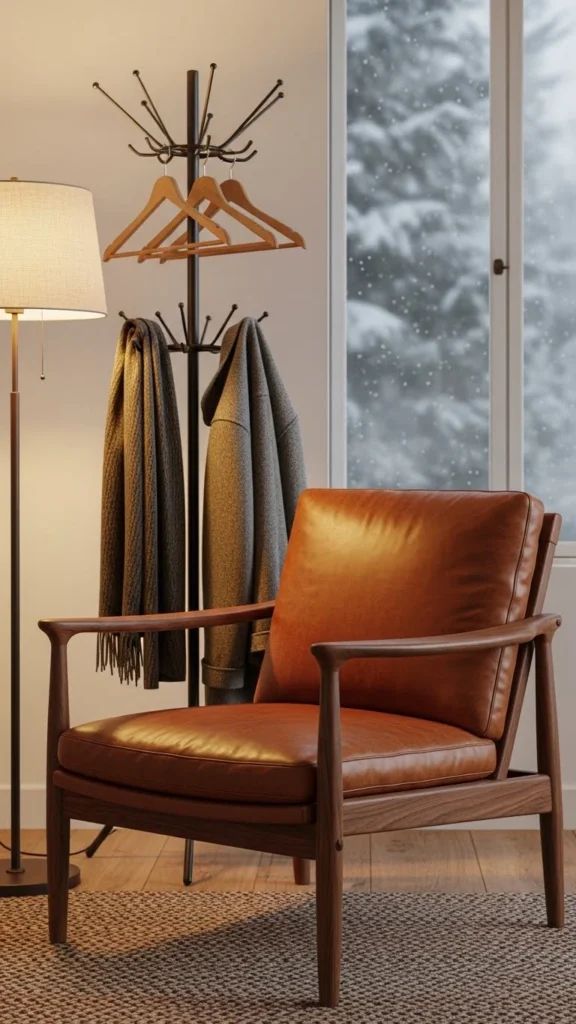
Entryways benefit from stable seating. Walnut side chairs handle boots and layers easily. Leather wipes clean after wet days.
Place one near a wall or console. Keep clearance around it for movement.
Budget option: Use a dining chair with arms as an entry seat. Add leather seat protection if needed.
Style with a small rug and wall hooks. Keep decor practical.
This chair helps daily routines feel calmer during winter mornings.
9. Walnut Chairs With Open Back Details
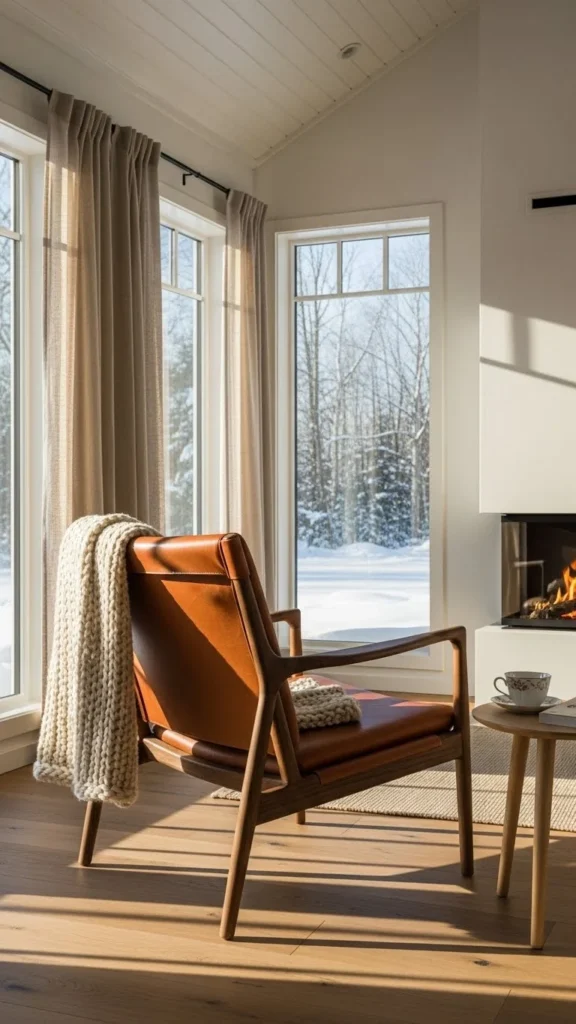
Open-back designs reduce visual weight. Walnut keeps warmth present. Leather grounds the seat.
Use these in mixed seating setups. They prevent crowding around tables.
DIY idea: Remove solid back panels from old chairs if structure allows. Sand smooth and stain.
Pair with textured throws elsewhere. Let the chair stay simple.
These work well for flexible layouts that change during holidays.
10. Walnut Chairs With Brass Accents
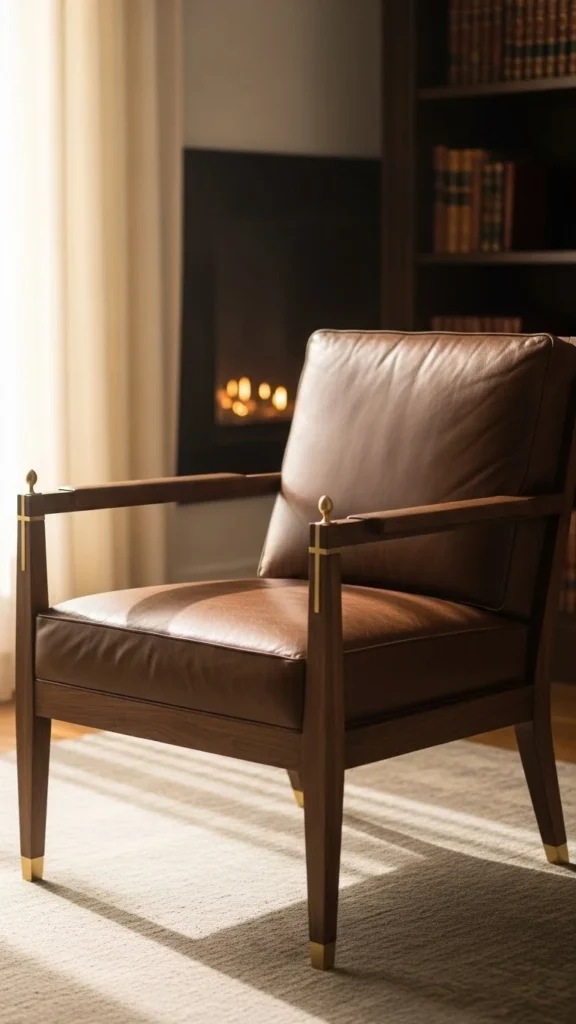
Small brass details catch winter light. Walnut keeps the look grounded. Leather balances the shine.
Limit brass to feet caps or fasteners. Avoid overuse.
Budget swap: Add brass leg caps to plain walnut chairs. Affordable and effective.
Keep surrounding decor muted. Let the detail stand out quietly.
These chairs suit dining rooms and home offices alike.
11. Boxy Walnut Chairs for Modern Spaces
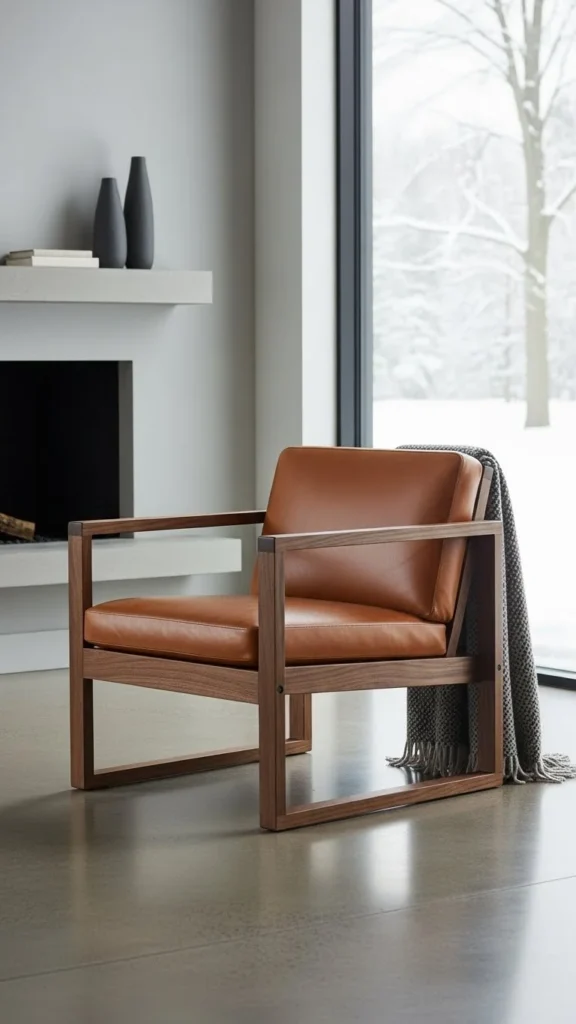
Boxy shapes feel stable. Walnut prevents them from feeling cold. Leather softens edges.
Place in modern living rooms with clean layouts.
DIY option: Square off cushions on older chairs with firmer foam.
Pair with simple tables and low lighting.
These chairs anchor minimalist winter rooms well.
12. Walnut Chairs With Floating Seats
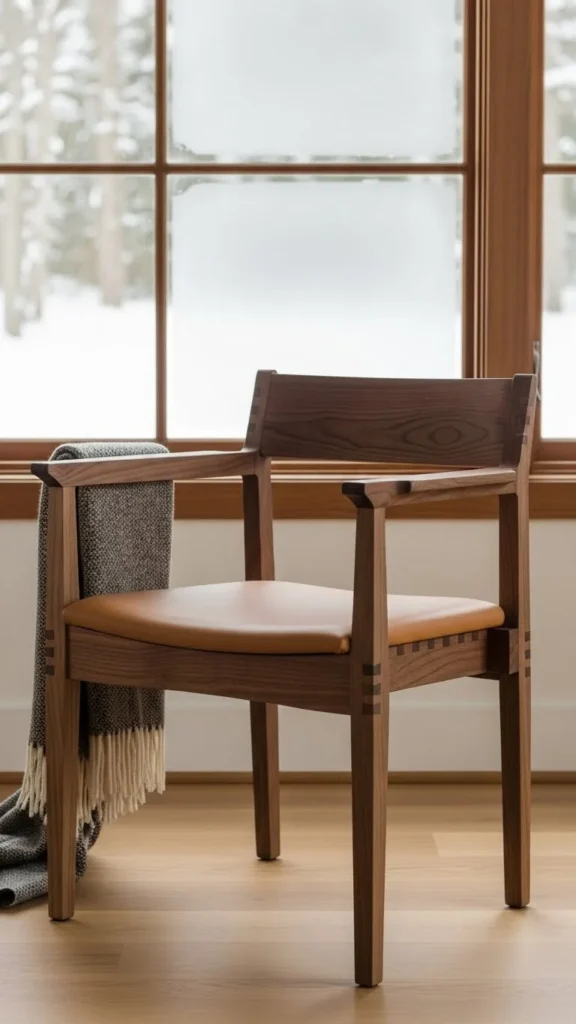
Floating seats add lightness. Walnut frames keep structure intact.
Use in dining rooms or studios.
Budget find: Look for flat-pack designs with solid wood frames.
Keep styling restrained. Let craftsmanship show.
13. Walnut Chairs for Home Offices
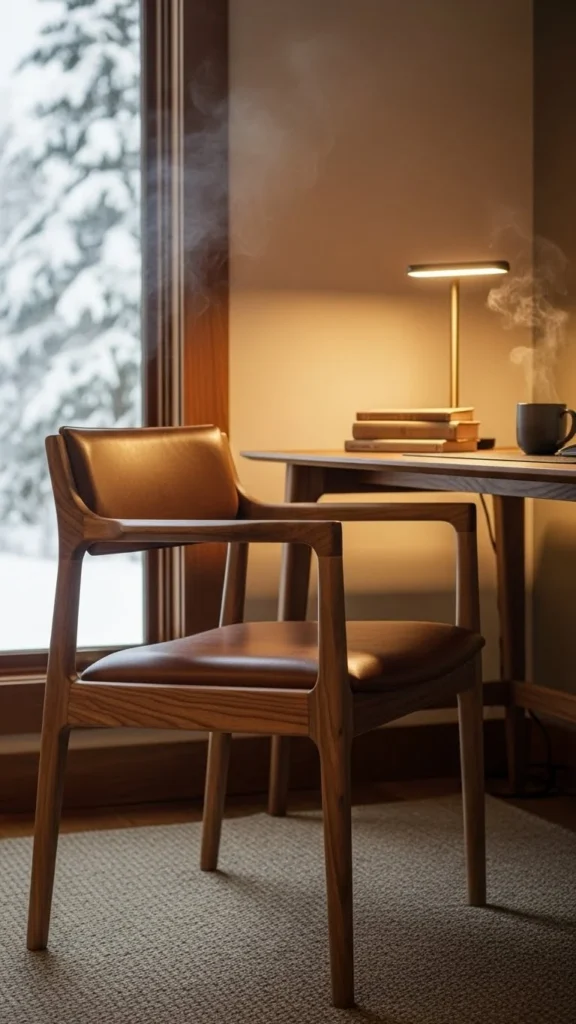
Walnut chairs bring warmth to workspaces. Leather handles long sitting sessions.
Choose firm seats. Avoid deep cushions.
DIY upgrade: Add leather desk chair covers.
These chairs make workdays feel steadier in winter.
14. Walnut Chairs Paired With Stone Floors
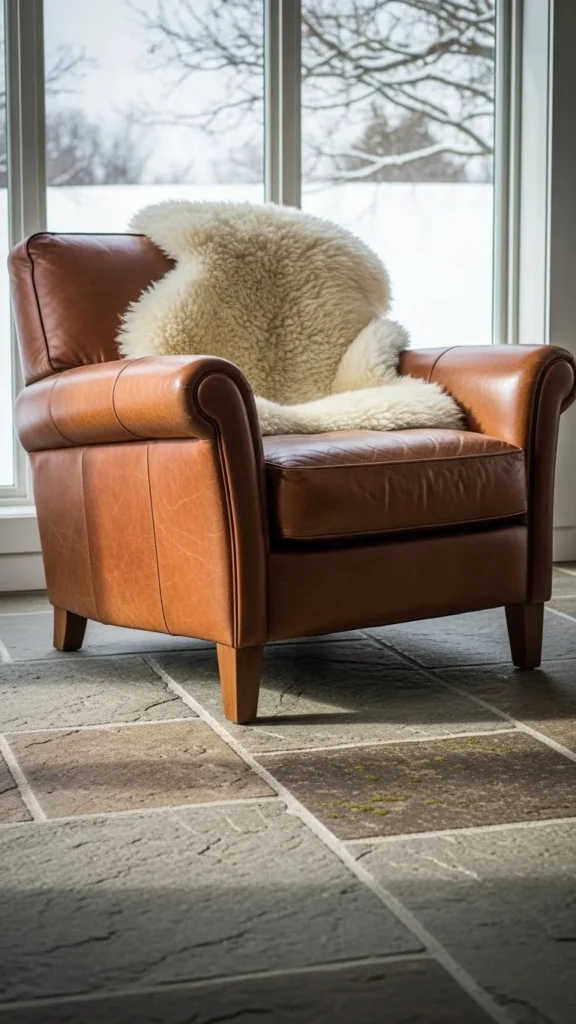
Stone floors feel cold. Walnut balances them visually. Leather adds comfort.
Use felt pads under legs.
Add rugs nearby for warmth.
This pairing works well in open-plan homes.
15. Walnut Chairs With Slatted Backs
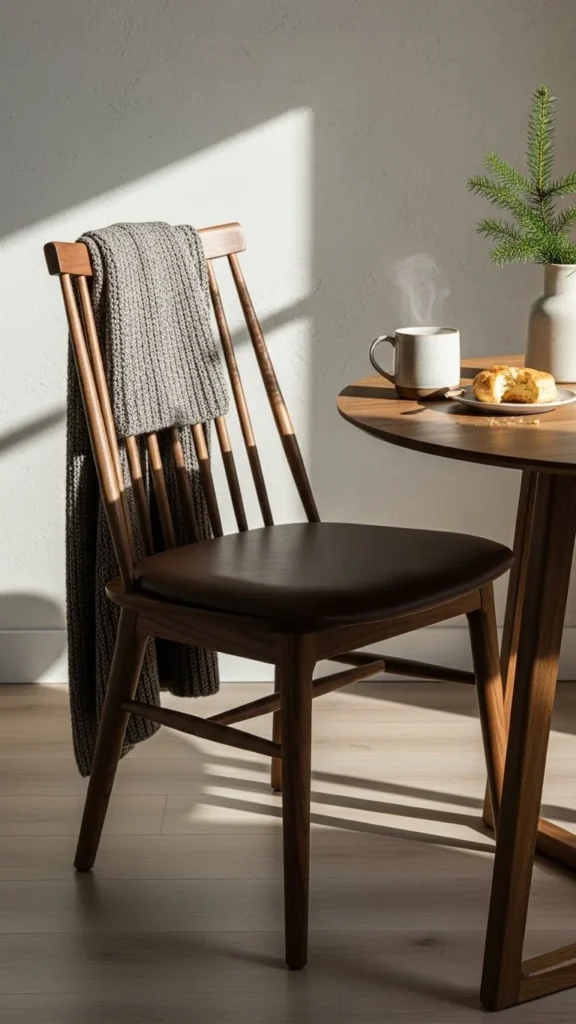
Slats add rhythm. Walnut adds depth.
Good for casual dining.
DIY: Replace broken slats carefully.
Keep cushions minimal.
16. Walnut Chairs in Monochrome Rooms
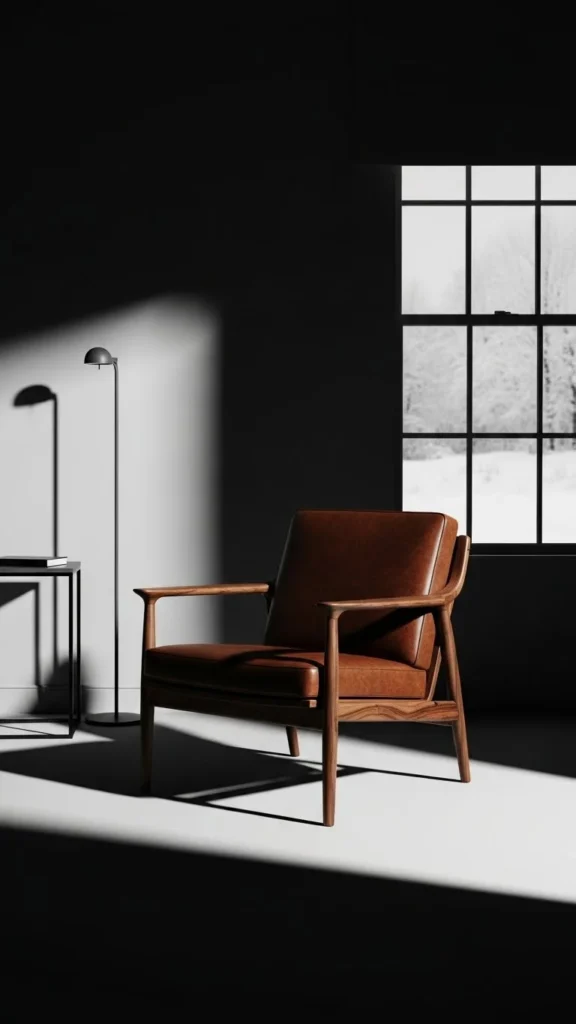
Monochrome spaces need warmth. Walnut delivers that.
Leather adds texture.
Limit extra colors.
These chairs become the focal point.
17. Walnut Chairs With Thick Leather Seats
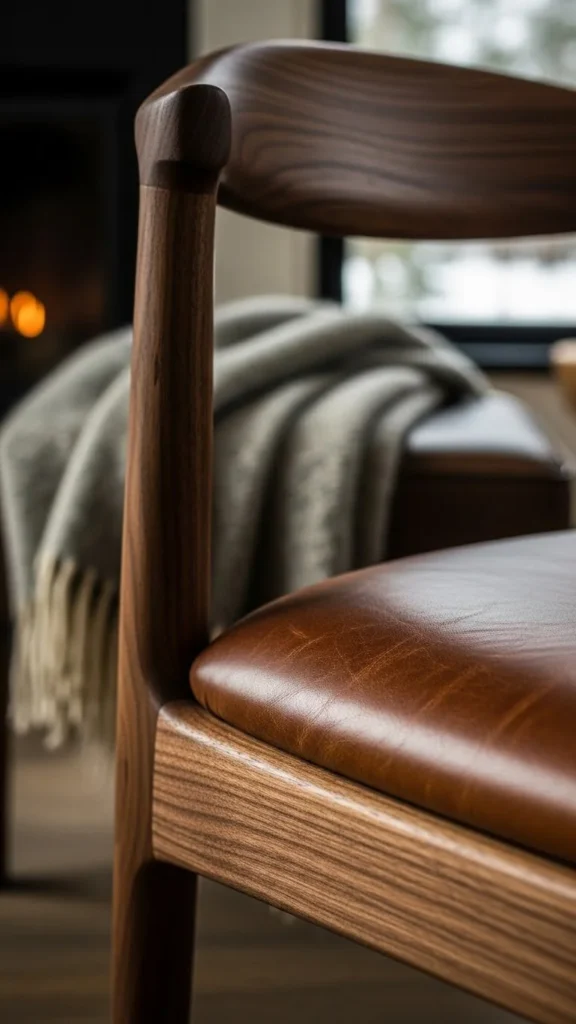
Thicker leather adds comfort.
Use in dining or lounges.
Budget option: Layer leather over foam.
Keep frames simple.
18. Walnut Chairs With Exposed Joinery
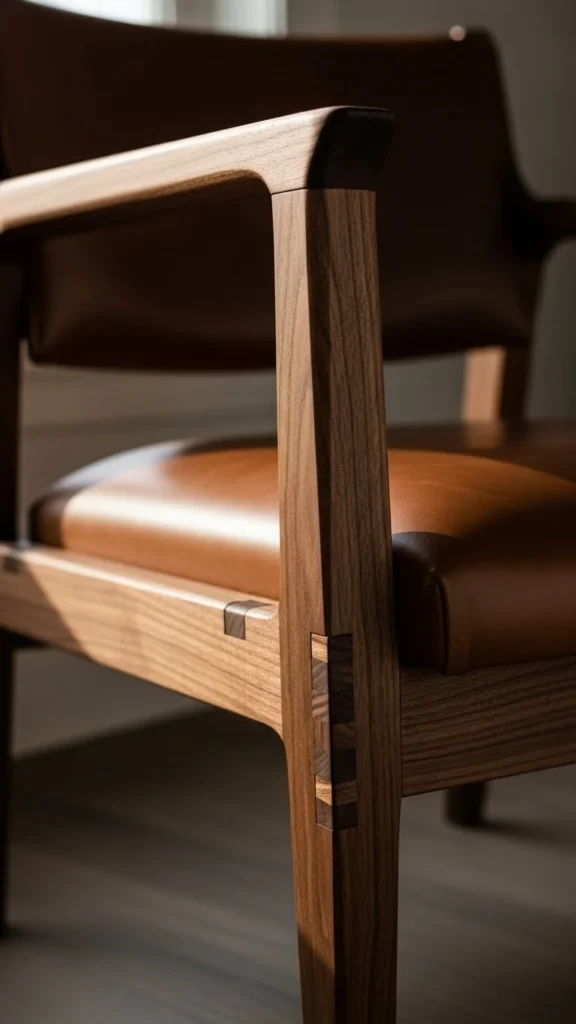
Joinery adds character.
Highlight craftsmanship.
DIY refinish to expose wood details.
Avoid heavy decor nearby.
19. Walnut Chairs for Reading Corners
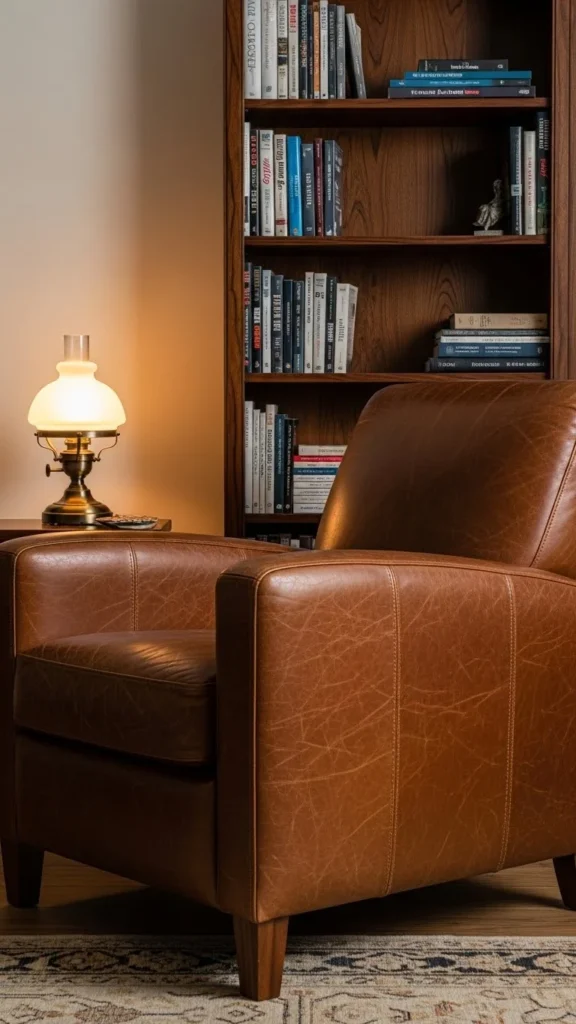
Perfect for reading.
Add footrest nearby.
DIY ottoman pairs well.
Keep lighting warm.
20. Walnut Chairs With Matte Leather Finish
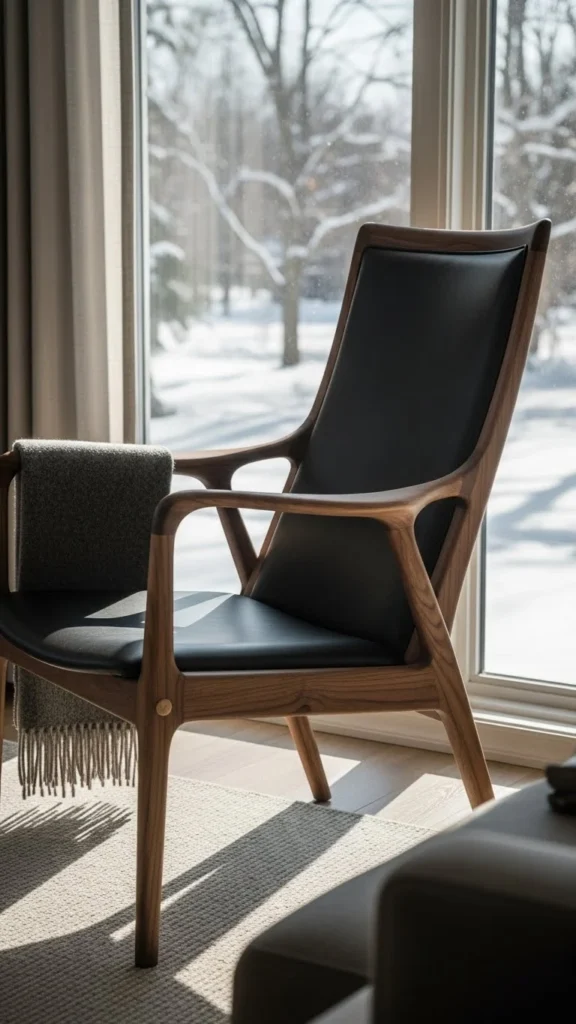
Matte leather avoids glare.
Feels calm in winter light.
Use conditioners lightly.
Great for dining.
21. Walnut Chairs in Layered Seating Areas
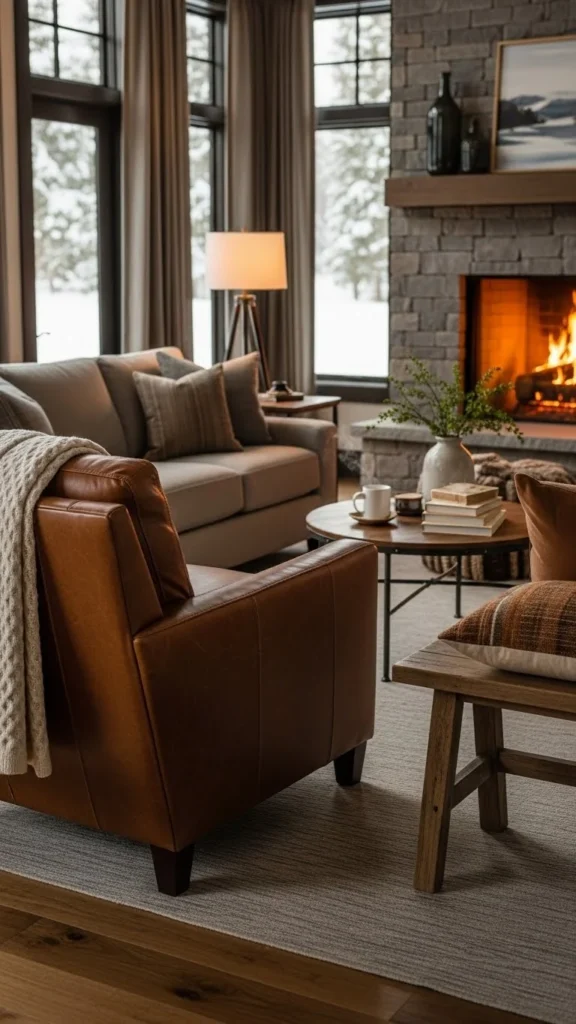
Layered seating feels welcoming.
Walnut anchors the setup.
Mix chair types.
Budget by mixing vintage finds.
22. Walnut Chairs With Light Leather Contrast
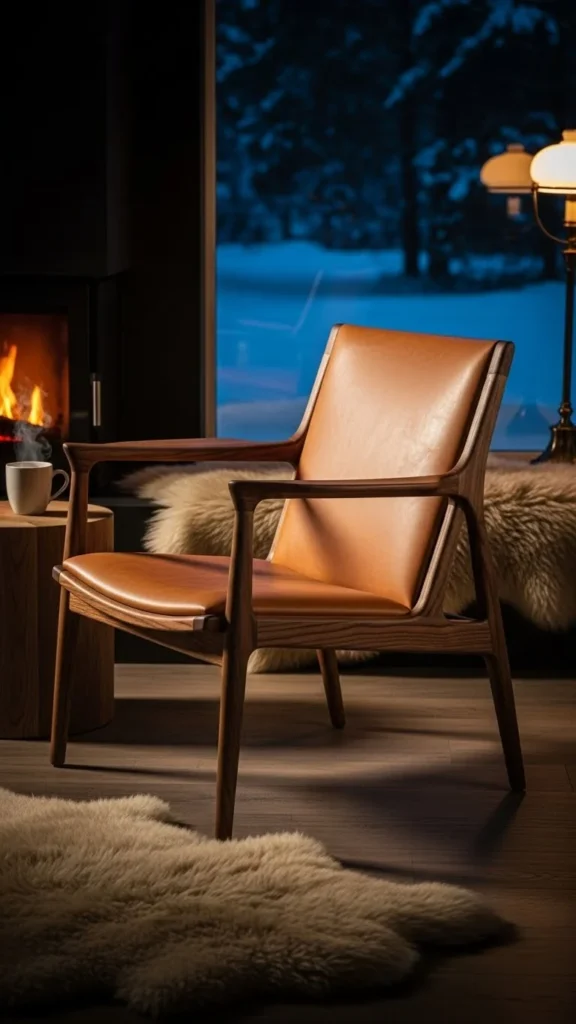
Light leather brightens winter rooms.
Balances dark wood.
Easy DIY seat swaps.
Keep surroundings neutral.
23. Walnut Chairs for Guest Rooms
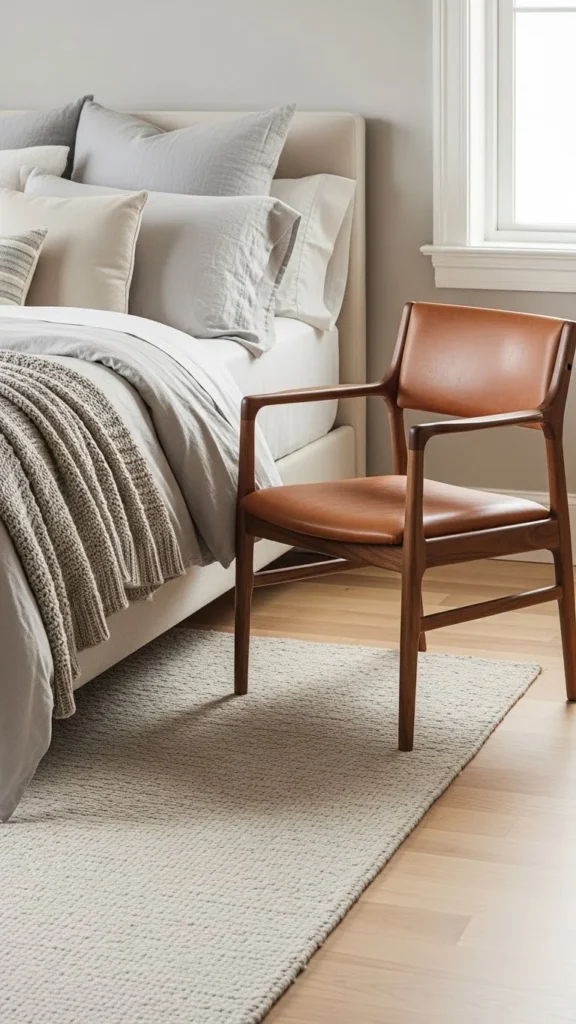
Adds function without clutter.
Use near window or desk.
DIY refinish older chairs.
Simple styling works best.
24. Walnut Chairs as Statement Singles
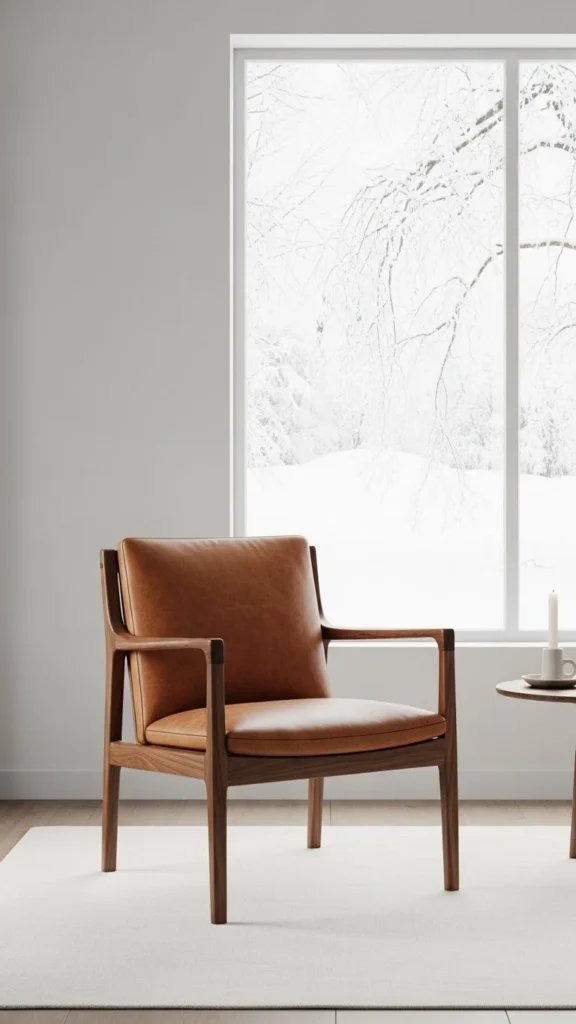
One chair can define a space.
Choose strong wood grain.
Place intentionally.
Let it stand alone.
Conclusion
Walnut and leather side chairs bring stability, warmth, and comfort to winter interiors. Their natural materials work across rooms and styles, from dining spaces to quiet corners. With thoughtful placement and simple updates, these chairs help rooms feel settled and usable throughout the season. Small changes like seat swaps, refinishing, or selective pairing make a real difference without large costs.
Leave a Reply